Introduction
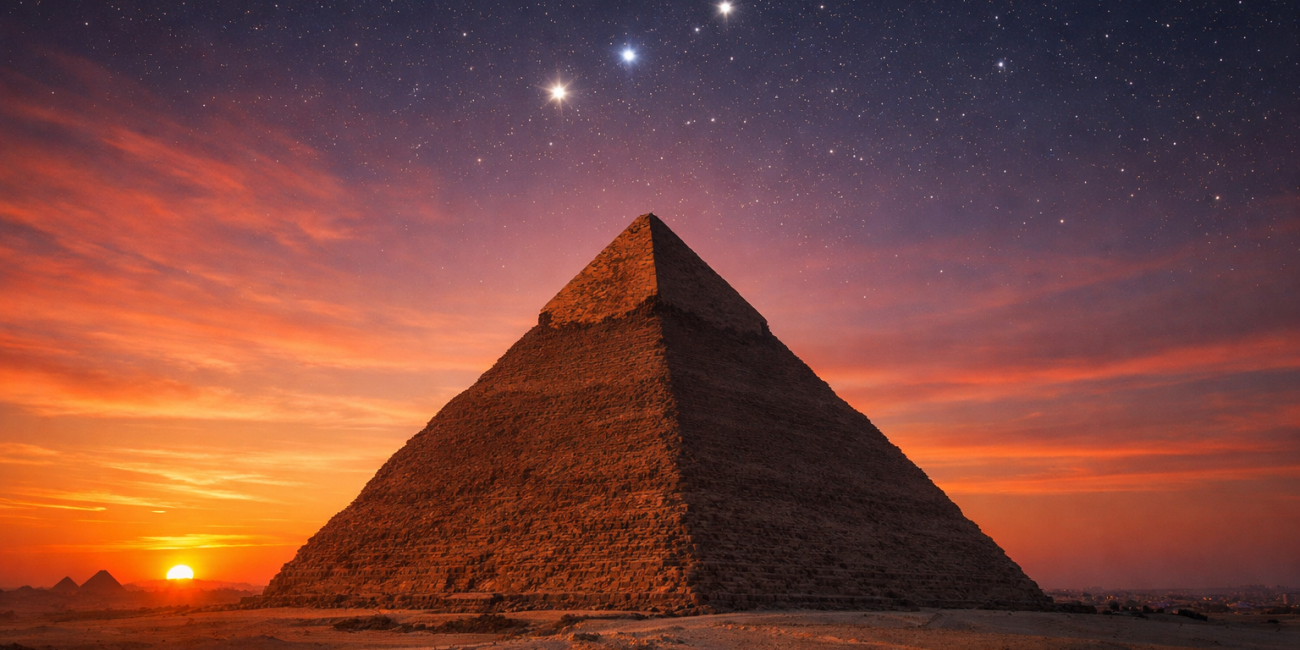
The Egyptian pyramids, especially the Great Pyramid of Giza, remain among humanity’s most enduring mysteries. Rising from the desert sands more than 4,500 years ago, these monumental structures embody the fusion of ancient engineering brilliance and cosmic symbolism. For Cosmic A2Z, this exploration dives into the construction technology, workforce organization, and astronomical significance of the pyramids—bridging science, history, and the stars.
Quarrying and Materials
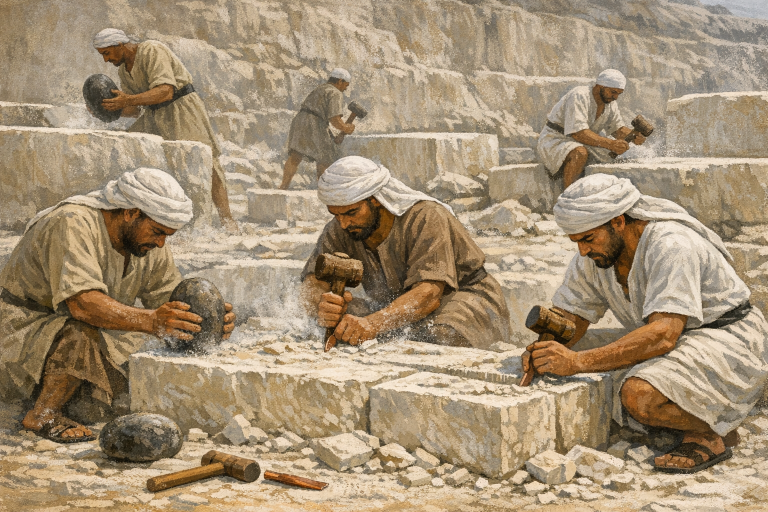
The foundation of pyramid construction was stone mastery.
Limestone: Local quarries near Giza supplied millions of blocks, each weighing 2–3 tons.
Granite: Used for inner chambers and sarcophagi, transported from Aswan, nearly 800 km away.
Tools: Workers relied on copper chisels, dolerite pounders, and wooden mallets to cut and shape stone.
Archaeological evidence shows quarry marks and unfinished blocks, proving the Egyptians’ systematic approach. This combination of simple tools and precise craftsmanship laid the groundwork for one of history’s greatest engineering feats.
Transportation Technology
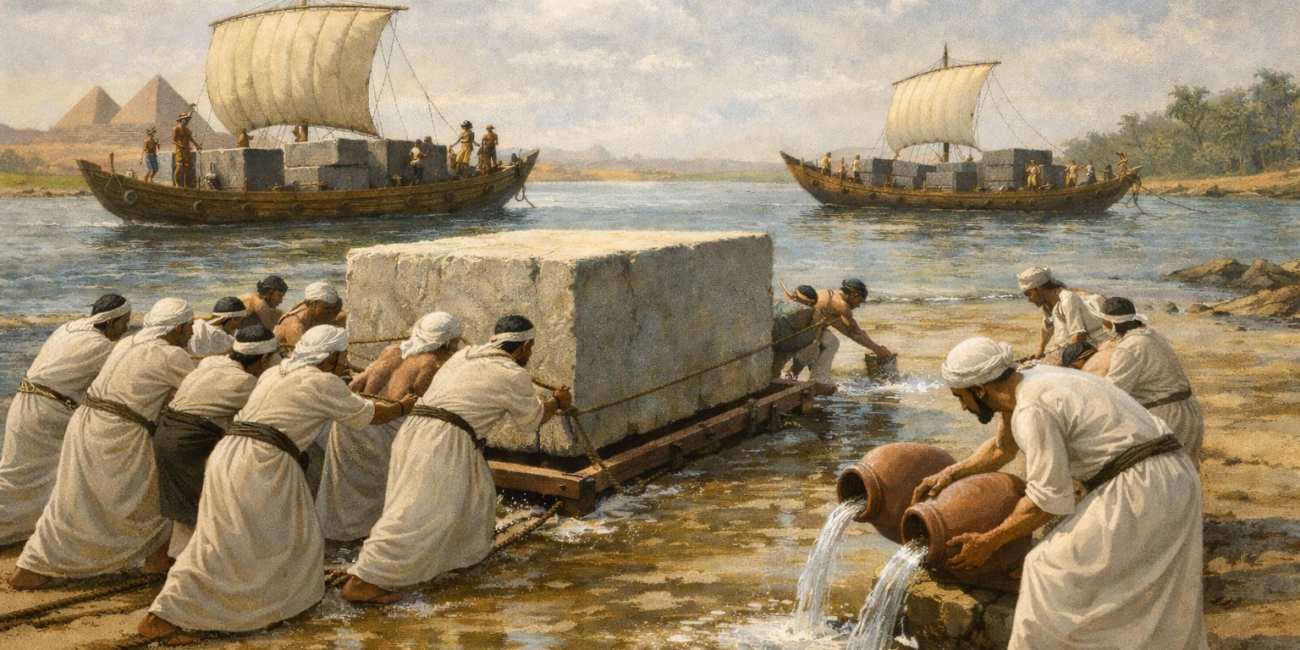
Moving massive stones required ingenious methods:
Boats on the Nile: Heavy granite blocks were shipped downstream, showing mastery of river logistics.
Sledges on Sand: Workers dragged stones on sledges, pouring water on sand to reduce friction—a technique confirmed by modern experiments.
Ramps: Straight, zigzagging, or circular ramps allowed stones to be hauled upward.
These innovations reveal how Egyptians combined physics, teamwork, and practical problem‑solving to achieve monumental scale.
Construction Techniques
The pyramids rose through a blend of organization and precision:
Lever Systems: Wooden levers positioned blocks with accuracy.
Internal Ramp Theory: Some archaeologists suggest hidden ramps spiraled inside the pyramid, reducing the need for massive external ramps.
Astronomical Alignment: The pyramids align almost perfectly with the cardinal points, showing advanced knowledge of surveying and astronomy.
Such precision demonstrates not only engineering skill but also celestial awareness, connecting earthly labor with cosmic order.
Workforce Organization
Contrary to myths of slave labor, evidence shows a skilled workforce:
Tens of thousands of workers lived in nearby villages, well‑fed and organized.
Rotational Shifts ensured continuous progress.
Community Effort: Construction symbolized unity and devotion to the Pharaoh.
Excavations of workers’ villages reveal bread ovens, beer jars, and medical care, proving they were respected laborers. The pyramids were not just tombs—they were national projects reflecting Egypt’s collective strength.
Cosmic and Cultural Significance
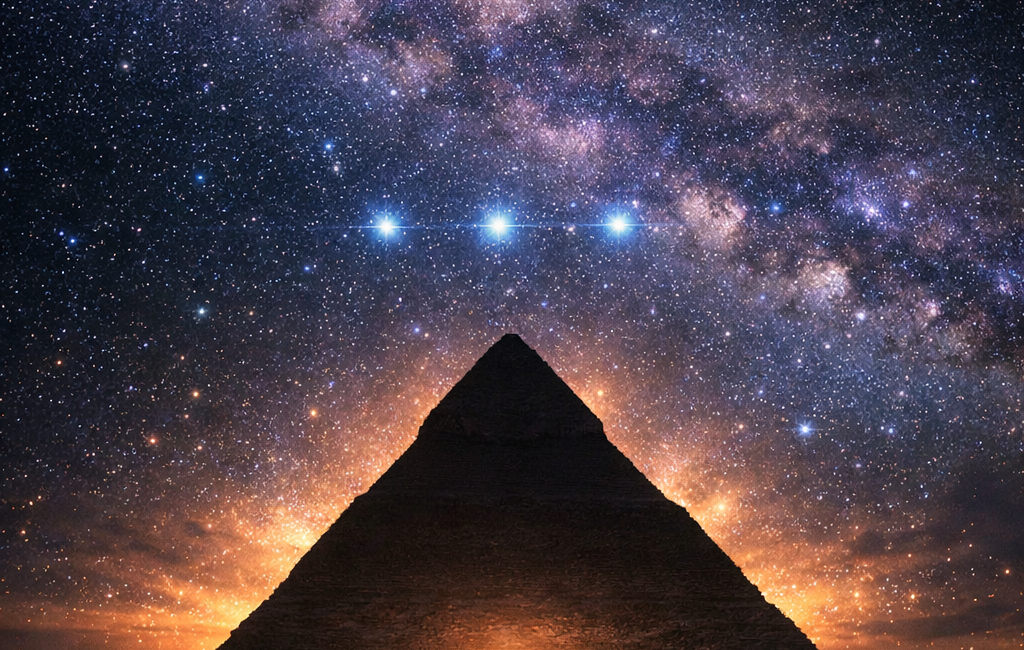
For Cosmic A2Z’s audience, the pyramids are more than stone—they are celestial markers:
Orion’s Belt Alignment: The Great Pyramid mirrors the stars, reflecting Egyptians’ cosmic worldview.
Symbol of Eternity: The pyramid shape represented the sun’s rays, guiding the Pharaoh’s soul to the heavens.
Universal Wonder: Their scale and precision embody humanity’s timeless quest to connect earth with the cosmos.
This cosmic dimension transforms the pyramids into bridges between earthly engineering and celestial meaning.
Legacy of Ancient Engineering
Watch the Journey: Cosmic A2Z Video
To dive deeper into the mysteries of the Giza pyramids, watch our dedicated video here:
👉 The Secrets of the Giza Pyramid
This video complements the article with visual storytelling, cosmic overlays, and cinematic pacing, perfect for learners and dreamers alike.
YouTube Video:
Conclusion
The technology of pyramid construction combined simple tools with brilliant organization, celestial alignment, and cultural devotion. For Cosmic A2Z, this narrative bridges science, history, and cosmic storytelling, making the pyramids not just ancient tombs but symbols of humanity’s eternal reach for the stars.
By blending engineering detail, cosmic resonance, and multimedia storytelling, Cosmic A2Z ensures that the pyramids remain alive in modern imagination—reminders that human creativity, when aligned with purpose, can build wonders that last millennia.