Introduction
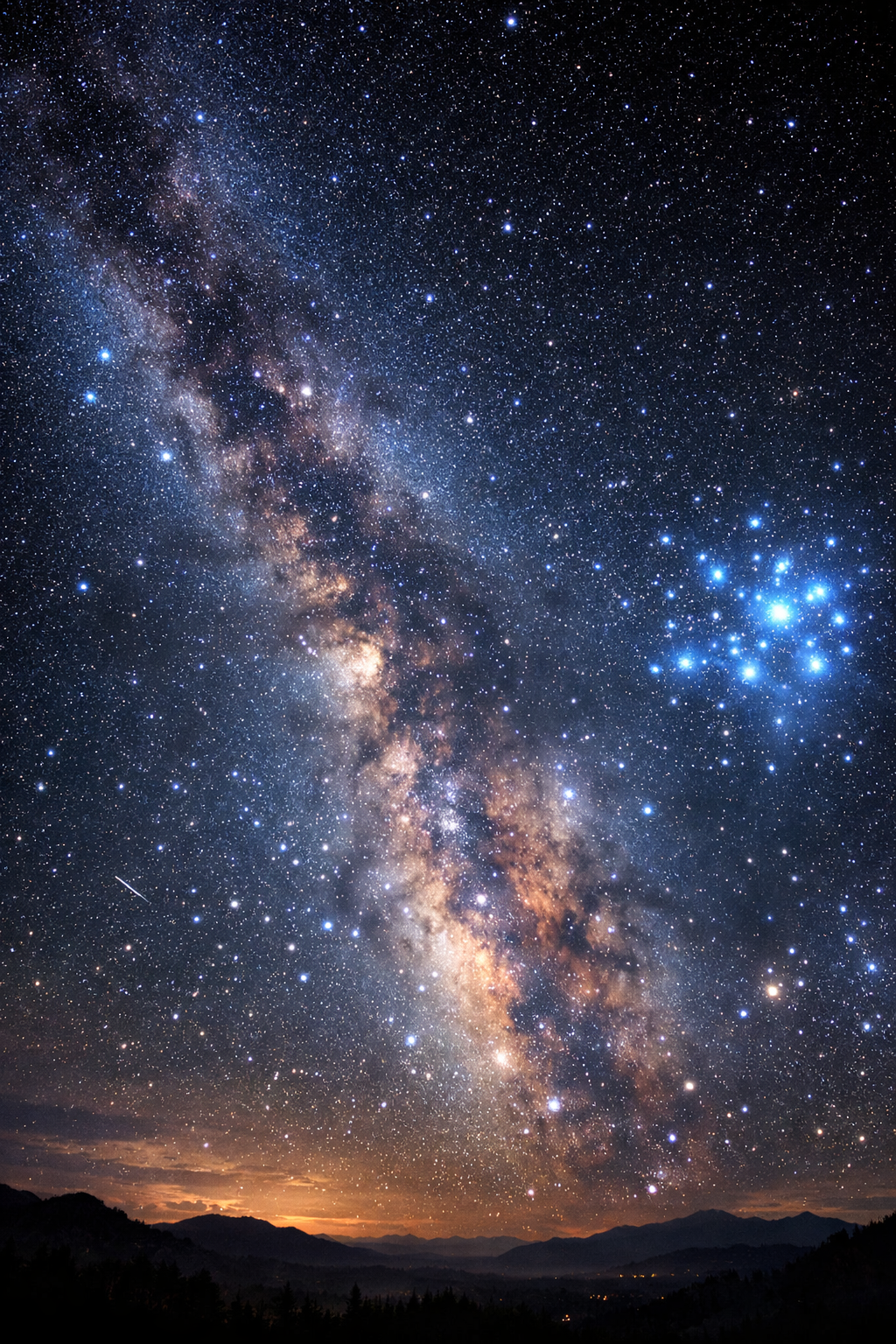
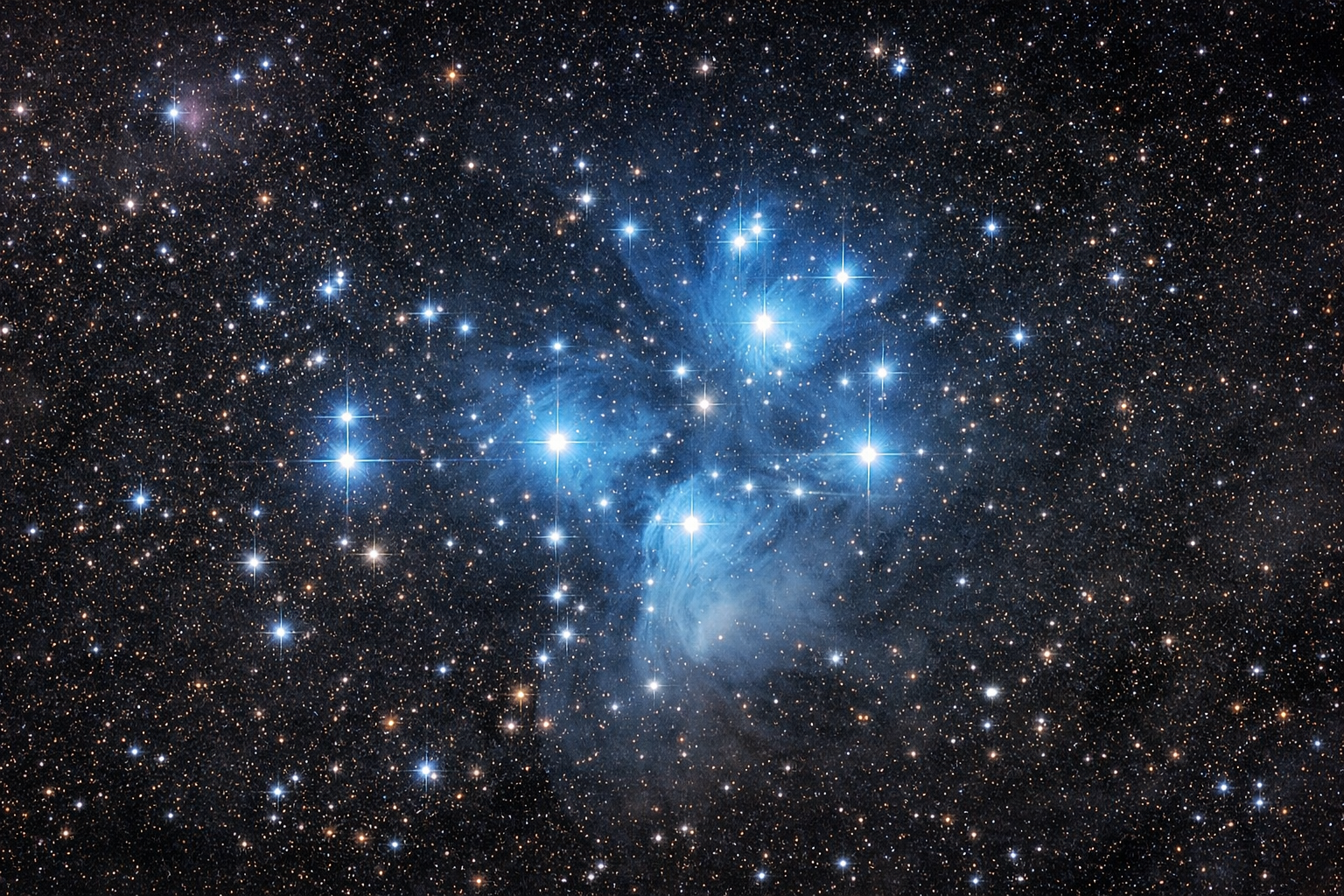
On a clear night, the sky reveals one of its most elegant and easily recognizable deep-sky wonders — the Seven Sisters, also known as the Pleiades (M45). This compact star cluster has been observed for thousands of years and remains one of the simplest celestial objects to identify without a telescope.
Despite its small appearance, the Pleiades carries enormous scientific, cultural, and historical importance. Ancient civilizations used it to mark seasons and guide calendars, while modern astronomy studies it to understand how stars are born and evolve together. Even spacecraft observing from other worlds have captured this same cluster, proving its universal visibility.
What makes the Seven Sisters special is accessibility: you don’t need equipment or experience. If the sky is dark enough, your own eyes are enough to find it.
Quick Facts: Pleiades (M45)
| Feature | Detail |
|---|---|
| Object Type | Open Star Cluster |
| Distance | ~440 light-years |
| Constellation | Taurus |
| Visible Without Telescope | Yes |
| Estimated Age | ~100 million years |
| Visible Stars | 6–7 (more in dark skies) |
What Are the Seven Sisters?
The Pleiades is an open star cluster located in the constellation Taurus. It contains over a thousand stars, but only a few are bright enough to be seen with the naked eye.
These stars formed together from the same giant cloud of gas and dust about 100 million years ago, making them relatively young in cosmic terms.
Brightness and Mythological Roles of the Seven Sisters
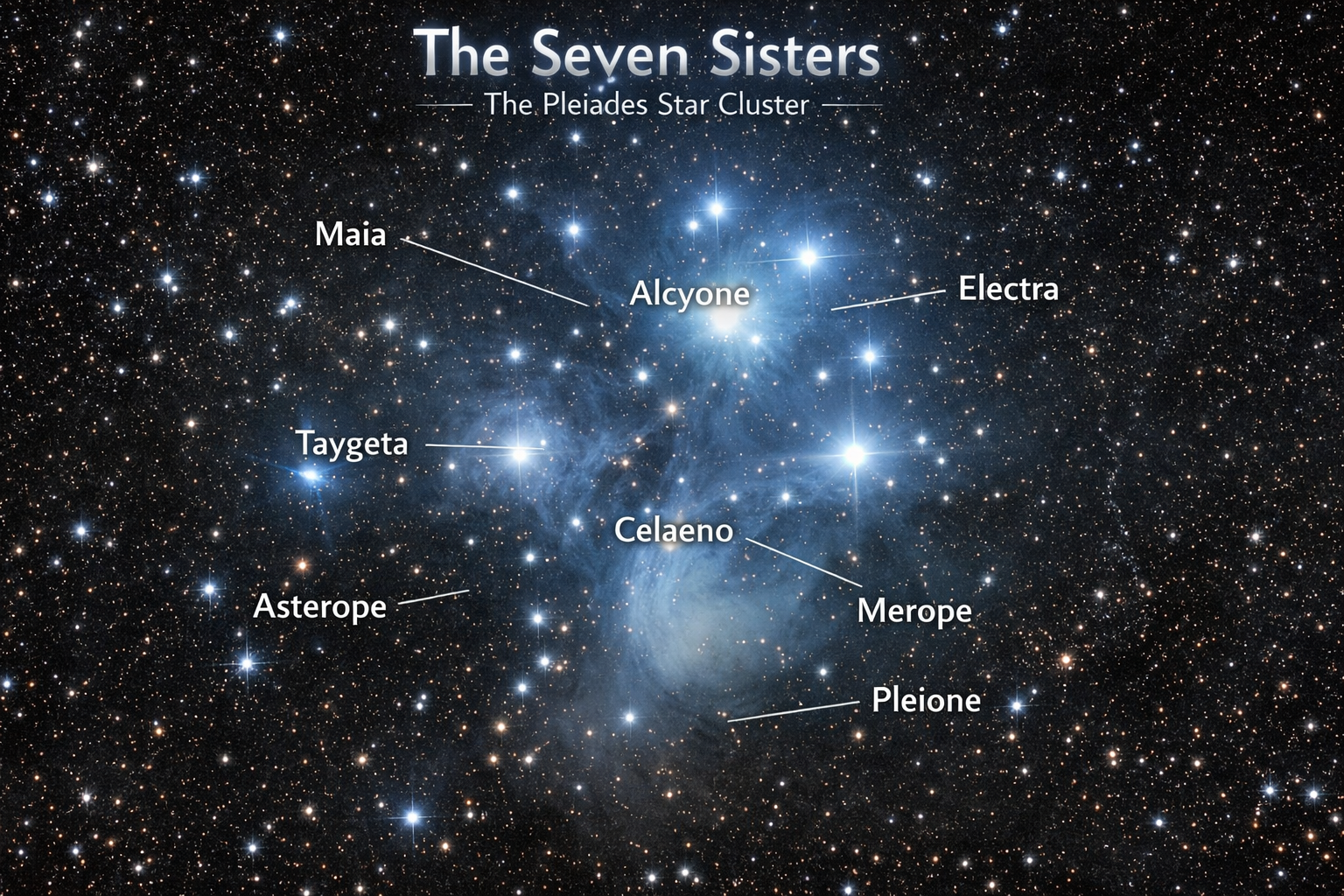
| Star Name | Brightness (Magnitude) | Mythological Role |
|---|---|---|
| Alcyone | 2.9 | Brightest sister, often considered the leader |
| Maia | 3.8 | Mother of Hermes |
| Electra | 3.7 | Linked to Troy’s royal lineage |
| Merope | 4.1 | The “lost” or faintest sister |
| Taygeta | 4.3 | Associated with Spartan mythology |
| Celaeno | 5.4 | One of the faintest visible stars |
| Sterope | 5.6 | Sometimes seen as a double star system |
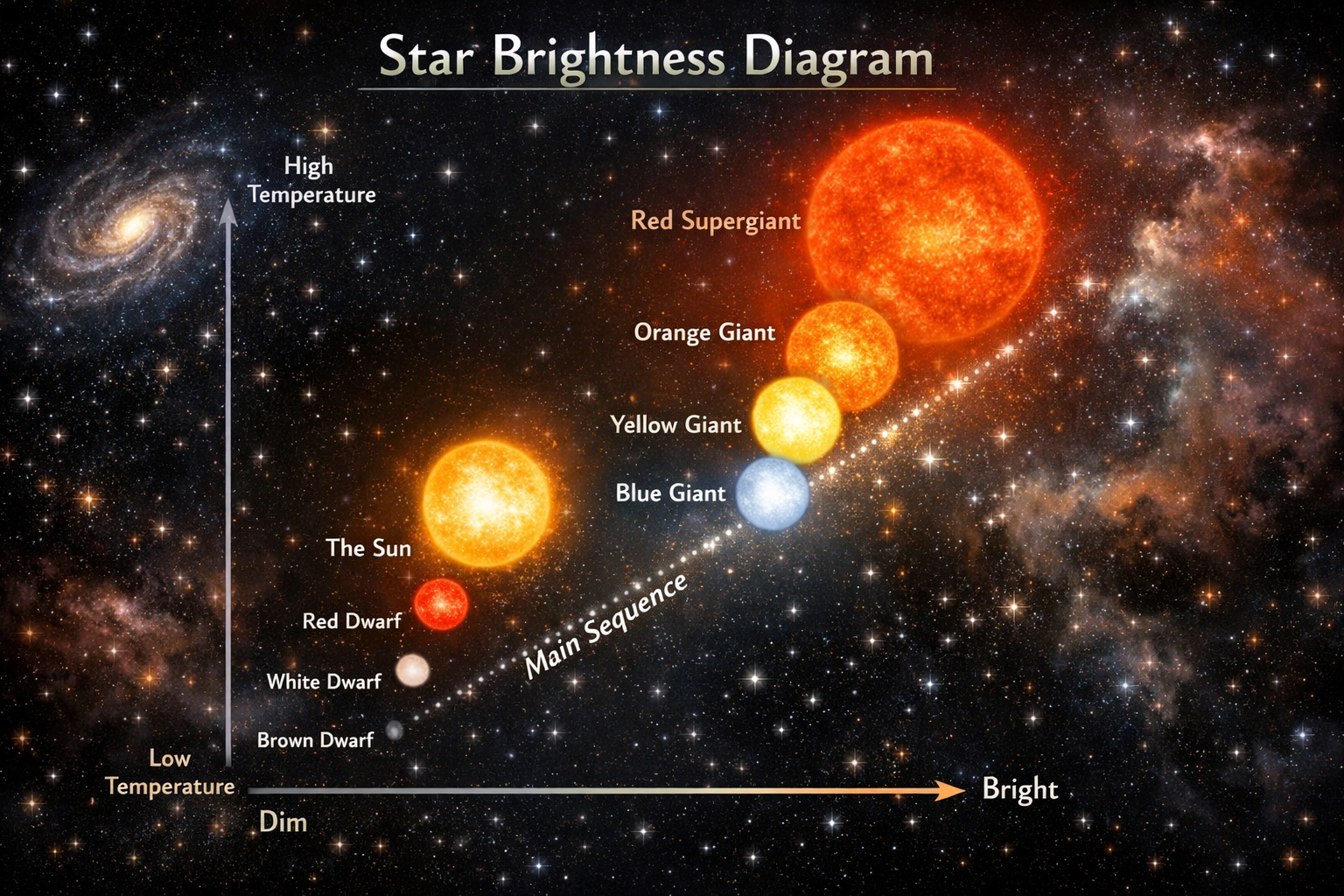
To the naked eye, the brightness differences create an uneven, shimmering pattern that gives the cluster its distinctive appearance.
Why the Pleiades Look Like a Tiny Star Cloud
Unlike single bright stars, the Pleiades appears as a tight glowing cluster of bluish-white stars. It often looks like a small misty patch in the sky.
This blue color comes from the fact that these stars are hot, young, and highly luminous. They burn at much higher temperatures than older stars like our Sun.
Under dark skies, most people can clearly see six stars, while sharp eyesight or ideal conditions may reveal seven or more.
Where and When to See the Seven Sisters
The Pleiades is one of the most globally visible star clusters on Earth. It can be observed from most populated regions in both hemispheres.
Best Viewing Time
- Typically visible during late autumn to early spring
- Best seen when Taurus is high in the sky
Best Conditions
- Dark skies away from city lights
- Clear atmosphere with minimal humidity
- No bright Moon nearby
The cluster rises in the east and moves across the sky throughout the night, becoming easiest to spot when it is higher above the horizon.
How to Find the Seven Sisters Easily
Even beginners can locate the Pleiades using a simple method.
Step-by-Step Guide
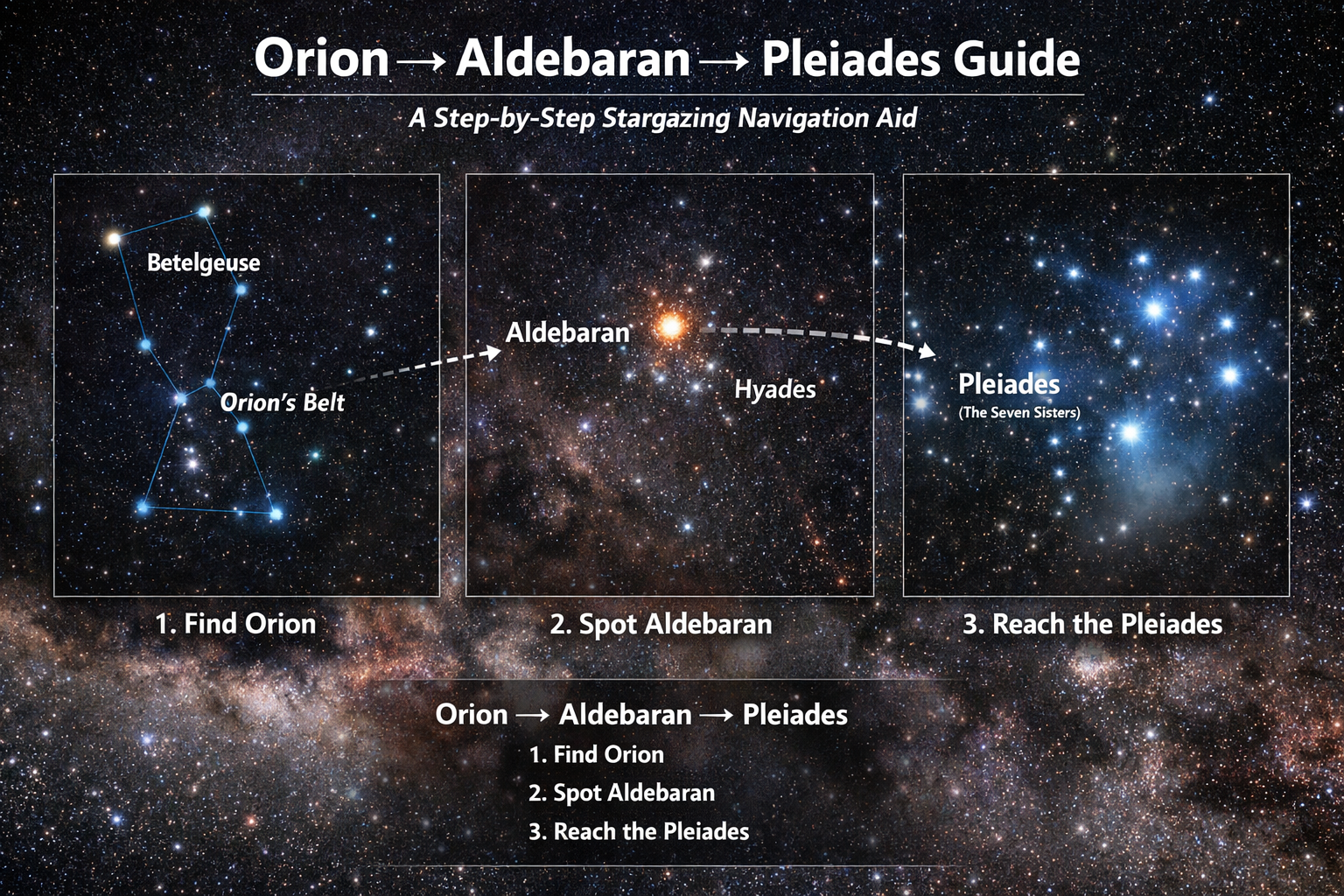
- Find Orion, the bright constellation with three aligned stars (Orion’s Belt).
- Extend the line upward toward the bright orange star Aldebaran in Taurus.
- Look slightly above Aldebaran for a compact cluster of faint bluish stars.
- That tight grouping is the Pleiades star cluster.
Helpful Tip
Use peripheral vision instead of direct staring. This helps the human eye detect faint light more effectively.
Why Some People See 6 or 7 Stars
The number of visible stars varies between observers.
This depends on:
- Eye sensitivity
- Light pollution levels
- Atmospheric clarity
- Experience and observation technique
Under ideal conditions, seven stars are commonly visible, while darker skies may reveal even more faint members.
Cultural and Mythological Importance
The Pleiades appear in many independent cultures around the world.
- In Greek mythology, they were transformed into stars while escaping Orion
- In Japan, they are called Subaru, meaning “to unite”
- Many Indigenous cultures use them as seasonal markers
- Ancient civilizations used them to track agricultural cycles
This global presence shows how humanity independently connected with the same star cluster across continents.
The Science Behind the Glow
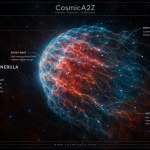
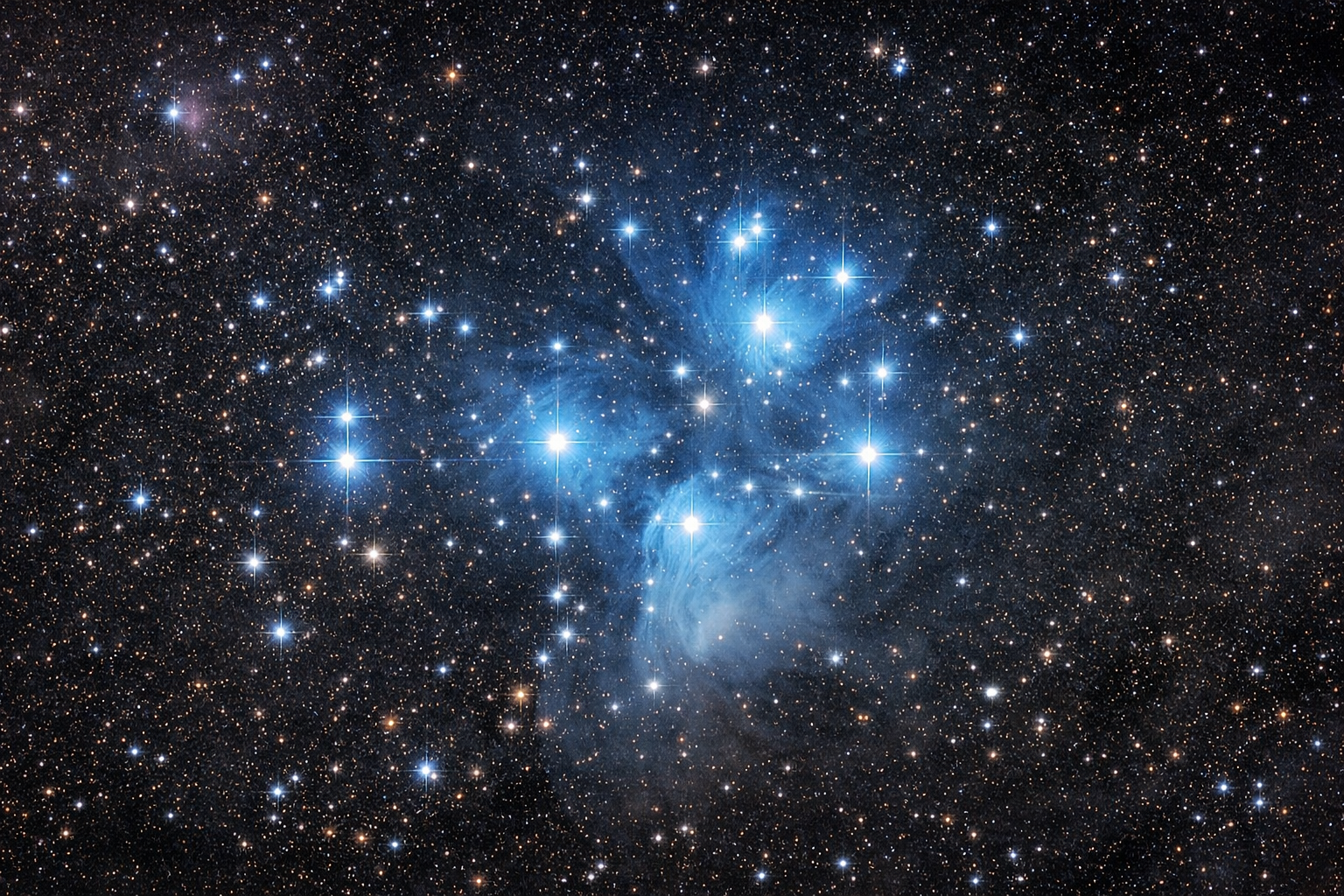
The Pleiades is surrounded by faint reflection nebulae — clouds of dust that scatter blue starlight, giving the cluster its soft glowing appearance in long-exposure photography.
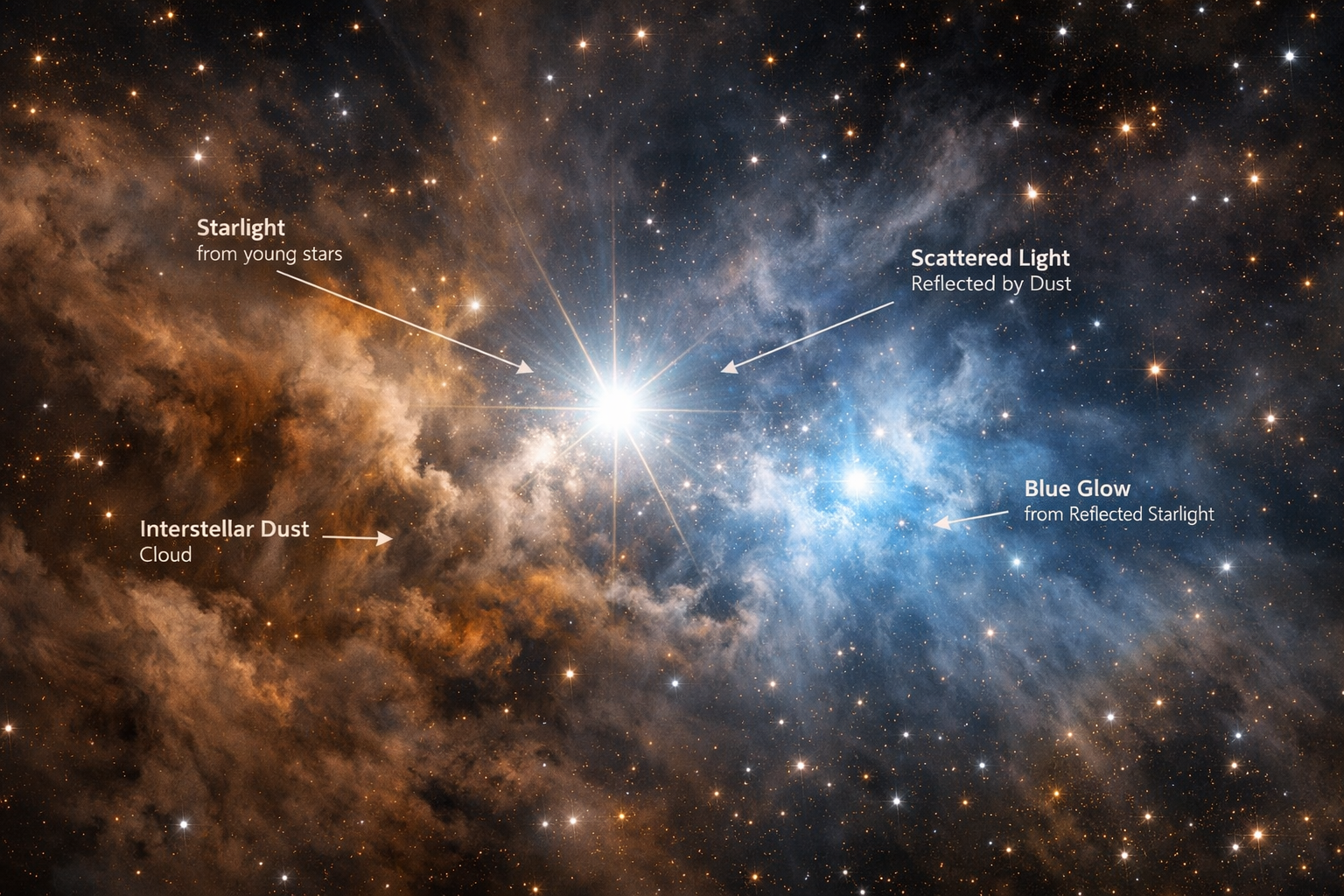
Astronomers study this cluster because:
- All stars formed at the same time
- They share similar chemical composition
- They are in an early stage of stellar evolution
Over time, gravitational forces will slowly disperse the cluster into space.
The Pleiades from Space: Mars Perspective
One of the most fascinating observations of the Pleiades came from Mars.
NASA’s Spirit Rover captured the Martian night sky in 2005, showing stars including the Pleiades alongside the small moons Phobos and Deimos.
From Mars, the sky appears slightly different due to its thin atmosphere, but the Pleiades remains clearly recognizable. This shows that the cluster is not just an Earth-based view — it is a shared cosmic landmark visible from multiple worlds in our solar system.
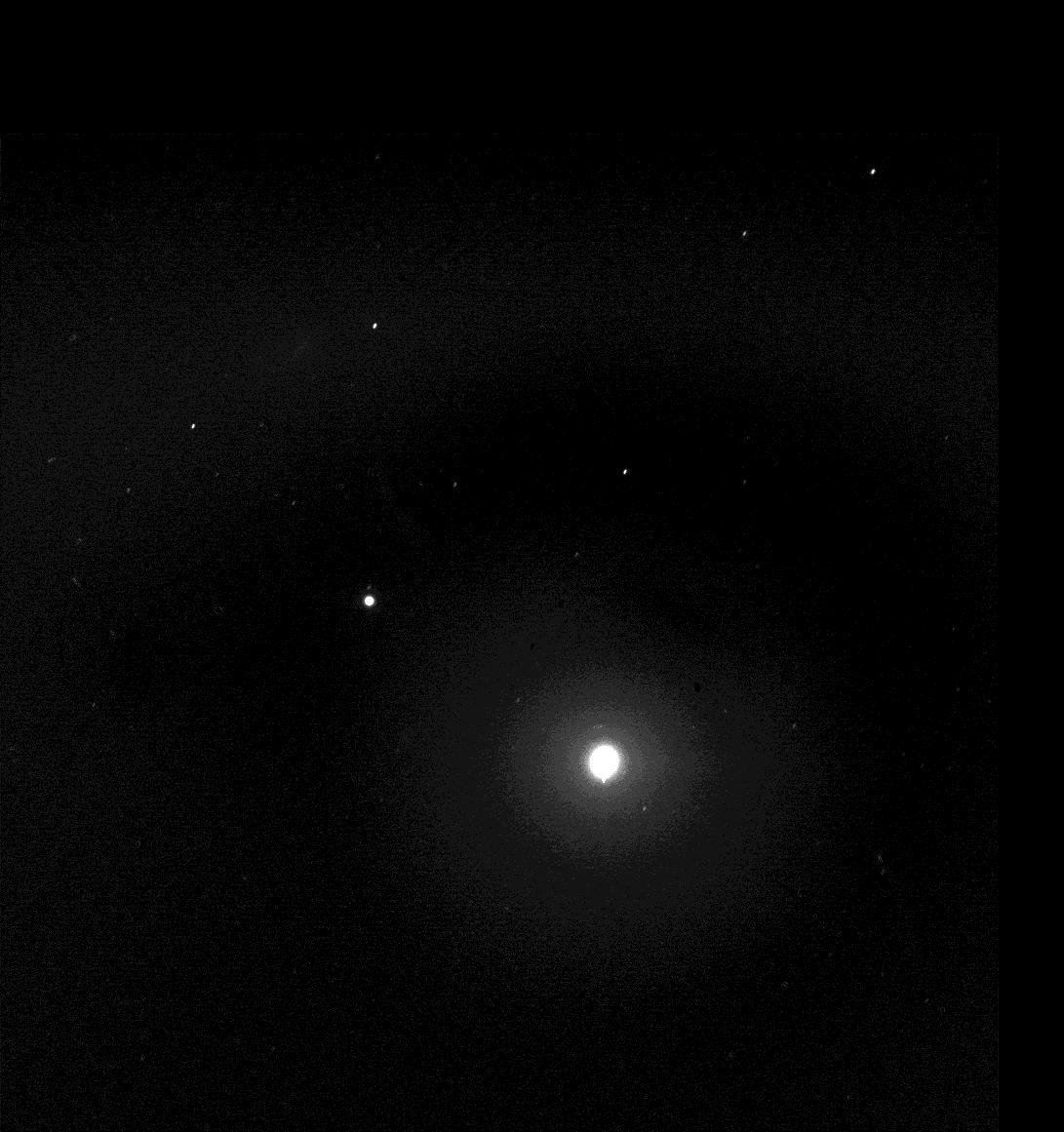
Image Credit: NASA/JPL/Cornell University (Spirit Rover, PIA06339)
How to Photograph the Seven Sisters
Capturing the Pleiades is possible even with basic equipment.
Beginner Setup
- Use a tripod or stable surface
- Set exposure between 10–20 seconds
- Keep ISO moderately high
- Focus manually to infinity
- Avoid light pollution
Even smartphones with night mode can capture the cluster as a faint glowing patch.
Advanced astrophotography reveals surrounding blue reflection nebulae, turning the cluster into a glowing cosmic cloud.
Watch the Seven Sisters in Motion
Why the Pleiades Matter Today
The Seven Sisters continue to play a key role in modern astronomy.
Scientists use them to:
- Study star formation processes
- Compare young stars in a shared environment
- Understand cluster evolution and dispersal
- Improve models of stellar lifecycles
At the same time, they remain one of the best beginner-friendly objects for introducing people to astronomy.
Conclusion
The Seven Sisters star cluster is one of the most accessible and meaningful objects in the night sky. It requires no telescope, no special equipment, and no technical knowledge — only a clear sky and curiosity.
From ancient myths to modern spacecraft, the Pleiades has remained a constant point of reference for humanity. It connects cultures, generations, and even planets through a shared view of the universe.
When you find that small shimmering cluster above the sky, you are seeing light that has traveled hundreds of years to reach you — a quiet reminder that the universe is vast, ancient, and beautifully connected.