

Introduction
What would you think if the Sun suddenly began to disappear in the middle of the day?
Today, we know that a solar eclipse occurs when the Moon passes between Earth and the Sun. But for ancient civilizations, such events were mysterious, frightening, and often interpreted through stories passed down through generations.
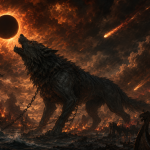
Among the most fascinating explanations comes from Norse mythology, where a giant wolf named Sköll was believed to chase the Sun across the sky. According to the legend, every sunrise marked the beginning of an endless pursuit, and every eclipse was a sign that the wolf had nearly caught his prey.
The story of Sköll is more than a tale about a monster. It offers a window into how the Norse people understood nature, fate, and the universe itself.
Who Were the Norse?
The Norse were the people of medieval Scandinavia, including present-day Norway, Sweden, Denmark, and Iceland. Between the eighth and eleventh centuries, they became known throughout Europe as explorers, traders, sailors, and warriors.
Yet the Norse were also remarkable storytellers. Their myths helped explain natural phenomena, from thunderstorms and changing seasons to the movement of the Sun and Moon.
Before the rise of modern science, mythology provided answers to life's biggest questions. Natural events were often linked to gods, giants, magical creatures, and cosmic forces.
Much of what we know about Norse mythology comes from medieval texts such as the Poetic Edda and the Prose Edda, which preserved stories that had been passed down orally for centuries.
Who Is Sköll?
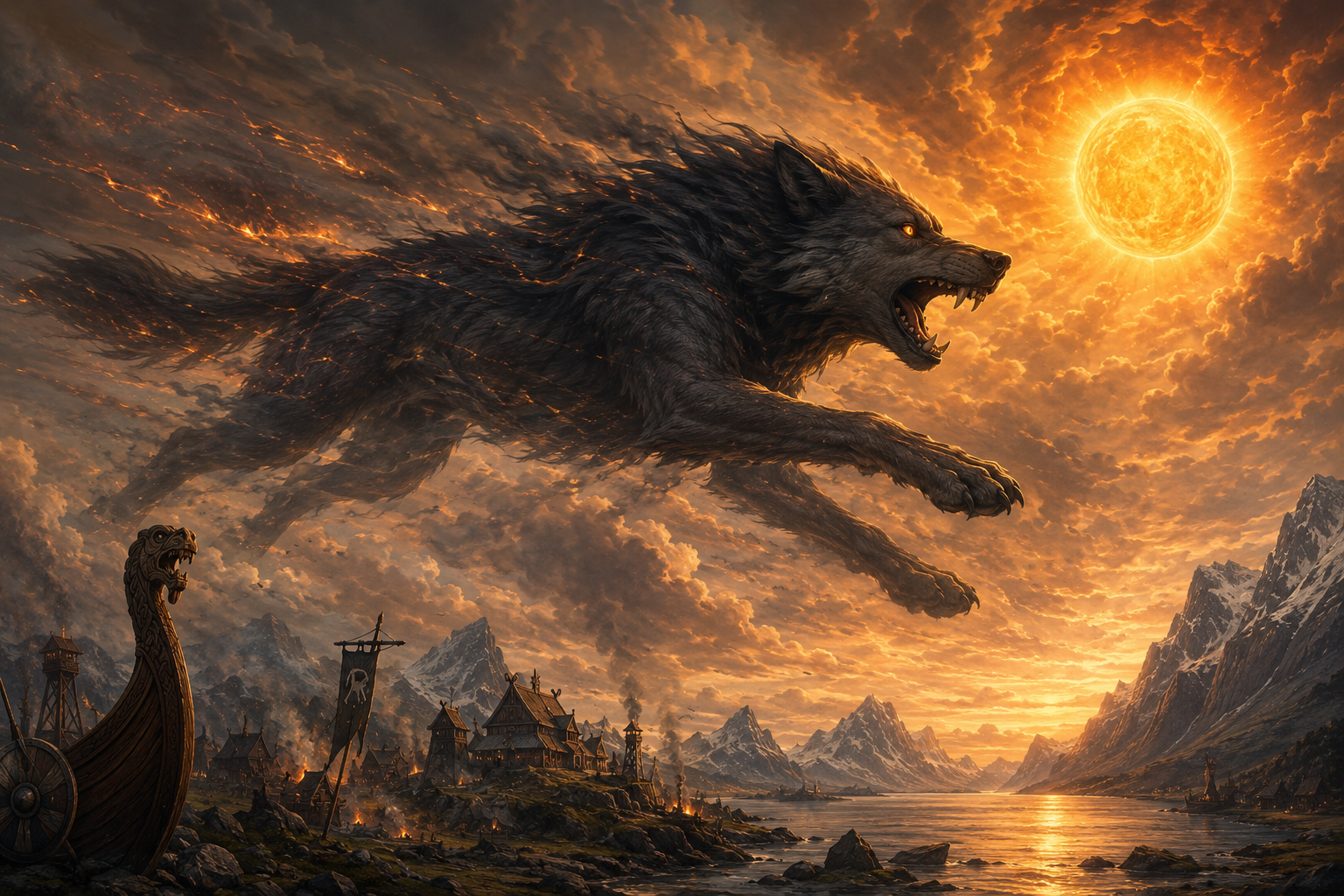
In Norse mythology, Sköll is a giant wolf associated with the movement of the Sun.
His name is often interpreted as meaning "Mockery" or "Treachery." Every day, Sköll races across the heavens in pursuit of the Sun, hoping to catch and devour it.
The Sun itself was not viewed merely as a celestial object. The Norse personified it as Sól, a goddess who drove a brilliant chariot across the sky.
Behind her ran Sköll.
Meanwhile, another wolf named Hati chased the Moon.
Together, these wolves formed part of a grand cosmic drama that explained why the Sun and Moon moved across the heavens each day.
To the Norse imagination, the sky was alive with action, danger, and purpose.
Why Wolves Were Important in Norse Mythology
To understand Sköll, it helps to understand the symbolic role wolves played in Norse culture.
Wolves were powerful predators that inspired both fear and respect. Living in harsh northern landscapes, the Norse frequently encountered wolves and viewed them as formidable creatures.
As a result, wolves became powerful symbols in mythology.
The most famous example is Fenrir, a monstrous wolf destined to play a major role during Ragnarök, the end of the world in Norse belief.
Sköll and Hati are often described as descendants of Fenrir, linking them to the forces of chaos and destruction.
This connection is significant because many Norse myths revolve around the struggle between order and chaos. The gods work to maintain balance while powerful creatures constantly threaten to disrupt it.
The daily pursuit of the Sun and Moon symbolized this eternal conflict.
How the Norse Explained Solar Eclipses
Solar eclipses have fascinated humanity for thousands of years.
Even today, witnessing the Sun suddenly darken can feel surreal. For ancient people with no understanding of orbital mechanics, such an event could be terrifying.
The Norse explanation was dramatic and memorable.
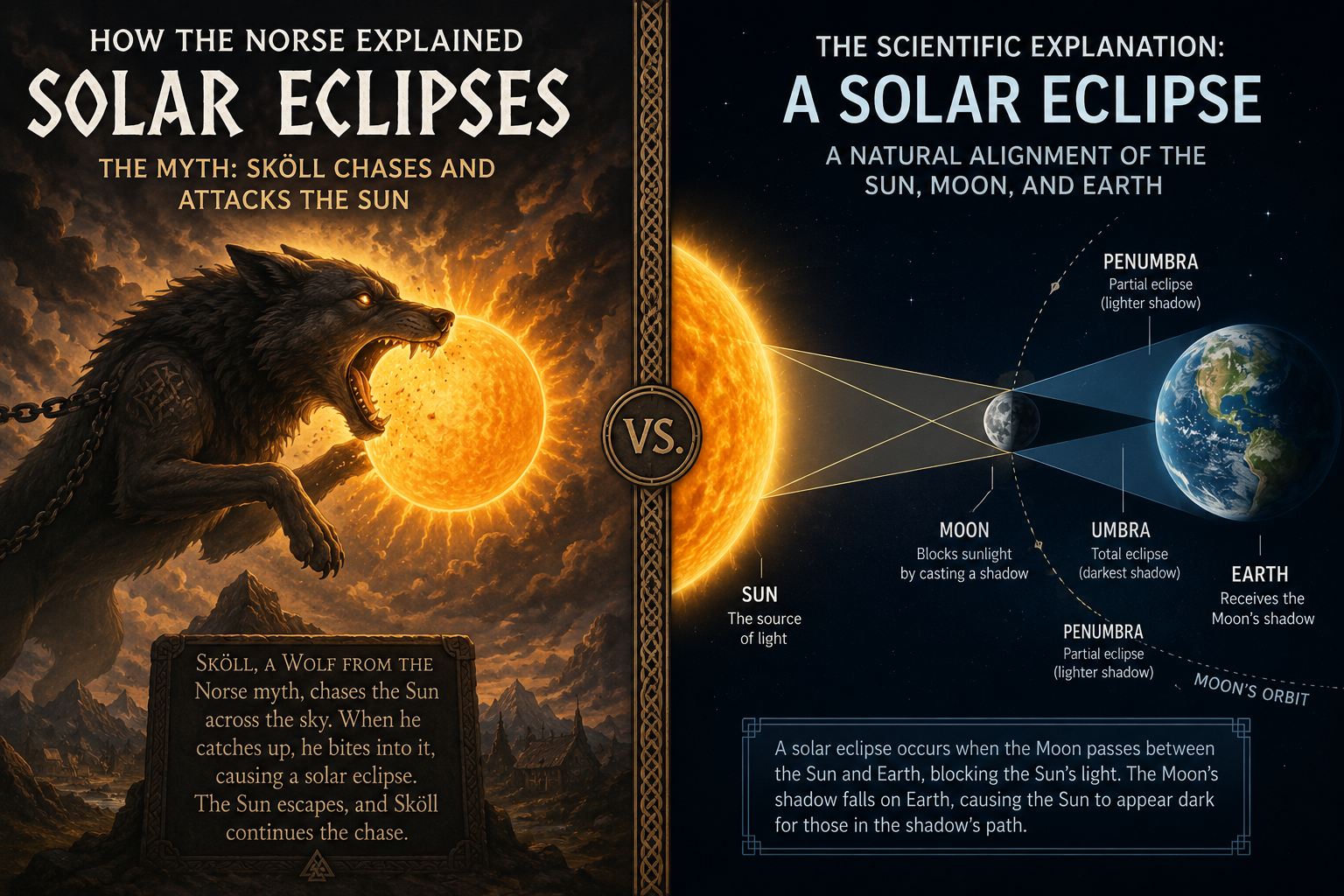
When an eclipse occurred, people believed Sköll had nearly succeeded in catching the Sun. The darkening sky was evidence of the wolf's attack.
Fortunately, the Sun always escaped.
At least for the time being.
This interpretation transformed a mysterious astronomical event into a story that people could understand and share. Rather than random darkness, an eclipse became part of an ongoing cosmic chase.
The End of the Chase: Ragnarök
No discussion of Sköll is complete without Ragnarök.
Ragnarök is one of the most important events in Norse mythology. Often described as the end of the world, it involves catastrophic battles, natural disasters, and the downfall of many gods.
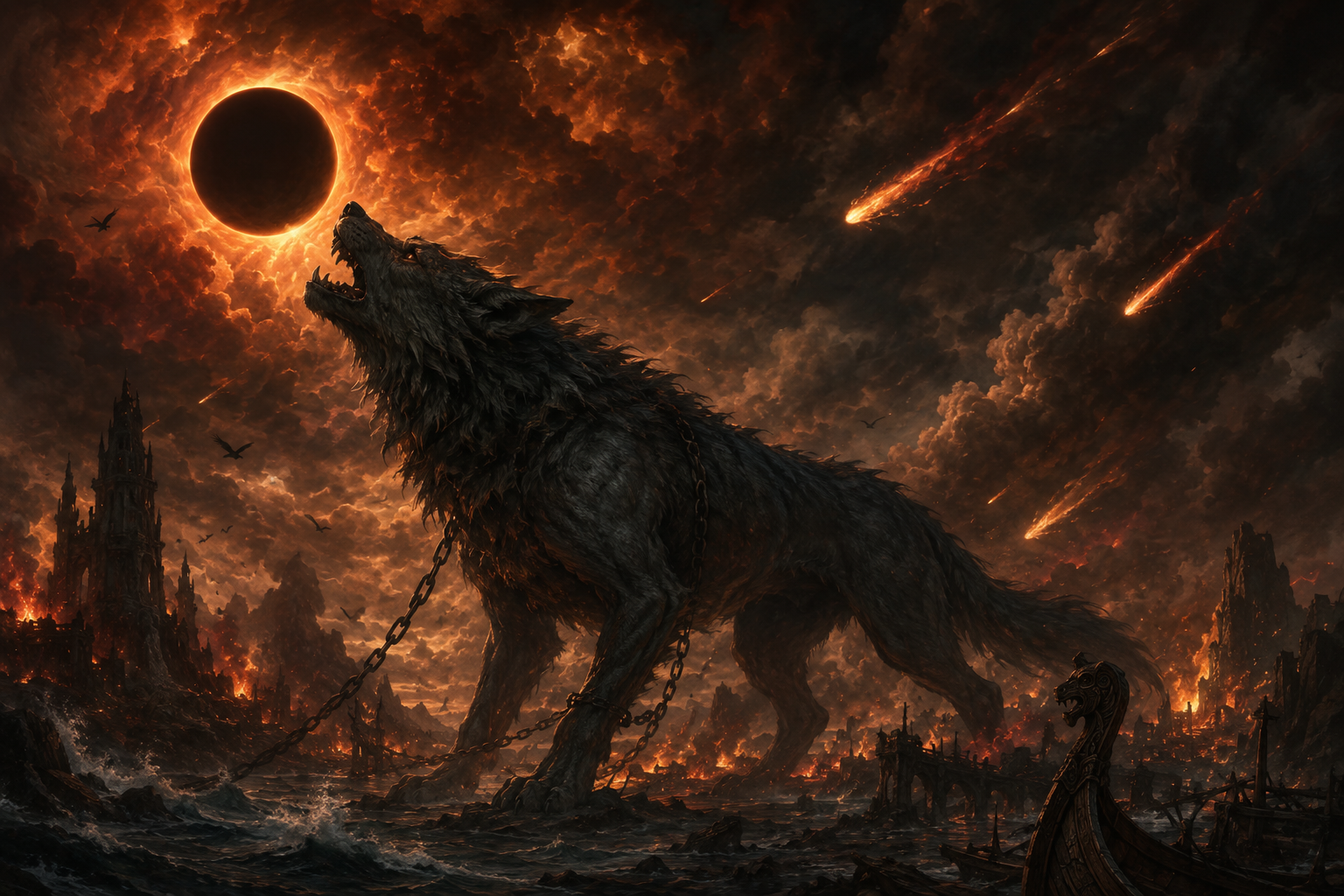
According to prophecy, Sköll will eventually achieve what he has spent ages pursuing.
During Ragnarök, he will finally catch and devour the Sun.
The Moon will also be consumed, plunging the world into darkness.
This moment symbolizes the collapse of cosmic order.
Yet Norse mythology contains an interesting twist. Unlike many apocalyptic stories, Ragnarök is not the absolute end. After destruction comes renewal. A new world emerges, and a new generation begins.
This cycle of destruction and rebirth is one reason Norse mythology continues to resonate with modern audiences.
Why Ancient Civilizations Created Eclipse Myths
The story of Sköll is not unique.
Across the world, ancient cultures developed myths to explain eclipses and other celestial events.
In ancient China, people believed a dragon was swallowing the Sun.
In parts of South Asia, eclipses became associated with legendary celestial beings.
Various Indigenous cultures developed their own explanations involving animals, spirits, or supernatural forces.
Although the details differ, these stories share a common purpose.
They transformed fear and uncertainty into narratives that people could understand.
Before scientific astronomy existed, mythology served as humanity's earliest attempt to explain the cosmos.
In that sense, Sköll represents something universal: the human desire to make sense of the unknown.
What Modern Astronomy Says About Solar Eclipses
Today, scientists understand eclipses with remarkable precision.
A solar eclipse occurs when the Moon passes directly between Earth and the Sun, temporarily blocking sunlight from reaching parts of our planet.
Because the movements of celestial bodies can be calculated accurately, astronomers can predict eclipses years or even centuries in advance.
This scientific explanation differs dramatically from the Norse myth.
Yet science does not diminish the value of the story.
Instead, it helps us appreciate how human understanding has evolved over time.
Myths reveal how our ancestors interpreted the world, while science explains how the universe actually works.
Both tell us something important about humanity's curiosity and desire for knowledge.
A Universal Pattern in Human Storytelling
One of the most fascinating aspects of the legend of Sköll is that similar stories appeared in many parts of the world.
Ancient civilizations separated by vast distances often created myths to explain eclipses and other celestial events.
Whether it was a wolf in Scandinavia, a dragon in East Asia, or other supernatural beings elsewhere, many cultures imagined powerful creatures consuming the Sun.
This reveals something important about human nature.
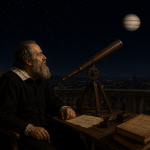
Long before telescopes and scientific observatories, people observed the heavens with wonder and curiosity. Myths transformed fear into stories, helping communities make sense of events they could not yet explain.
The legend of Sköll is therefore more than a Norse tale. It is part of a broader human tradition of looking at the sky and searching for meaning.
The Legacy of Sköll in Modern Culture
Although centuries have passed since the Viking Age, Sköll continues to appear in modern culture.
The wolf can be found in:
- Fantasy novels
- Video games
- Television series
- Films inspired by Norse mythology
- Modern artwork and digital media
Part of his appeal comes from the simplicity of the image itself.
A giant wolf chasing the Sun is easy to visualize and difficult to forget.
The story combines danger, mystery, astronomy, and prophecy into a single unforgettable symbol.
As interest in Norse mythology continues to grow, Sköll remains one of its most recognizable creatures.
Conclusion
The legend of Sköll stands as one of the most memorable stories in Norse mythology.
For the Vikings, the Sun's journey across the sky was not simply an astronomical event. It was an endless chase involving a fearsome wolf, a fleeing goddess, and the fate of the cosmos itself.
While modern science has revealed the true cause of eclipses, the myth continues to fascinate because it reflects something deeply human: our need to explain the mysteries we encounter.
Whether viewed as folklore, cultural history, or a symbol of humanity's imagination, Sköll's pursuit of the Sun remains one of the greatest cosmic legends ever told.
Frequently Asked Questions (FAQ)
Who was Sköll in Norse mythology?
Sköll was a giant wolf in Norse mythology who chased the Sun across the sky and was destined to devour it during Ragnarök.
Did Vikings believe wolves caused eclipses?
According to Norse mythology, eclipses were associated with Sköll nearly catching the Sun during his eternal pursuit.
What is the difference between Sköll and Fenrir?
Fenrir is the famous monstrous wolf of Norse mythology, while Sköll is specifically known for chasing the Sun. Sköll is often connected to Fenrir's lineage.
Who chased the Moon in Norse mythology?
A wolf named Hati was believed to chase the Moon, just as Sköll chased the Sun.
What is Ragnarök?
Ragnarök is the prophesied series of events that brings about the destruction and eventual renewal of the world in Norse mythology.
What causes a solar eclipse according to science?
A solar eclipse occurs when the Moon passes between Earth and the Sun, temporarily blocking sunlight from reaching parts of Earth.
Sources
- The Prose Edda – Snorri Sturluson
- The Poetic Edda
- Encyclopaedia Britannica – Norse Mythology
- World History Encyclopedia – Norse Mythology
- NASA Solar Eclipse Education Resources
- Norse Mythology for Smart People – Sköll and Hati
About the Author
Cosmic A2Z explores mythology, astronomy, cosmic mysteries, and the history of humanity's relationship with the universe. Our mission is to present fascinating stories and scientific discoveries through engaging, research-based educational content.