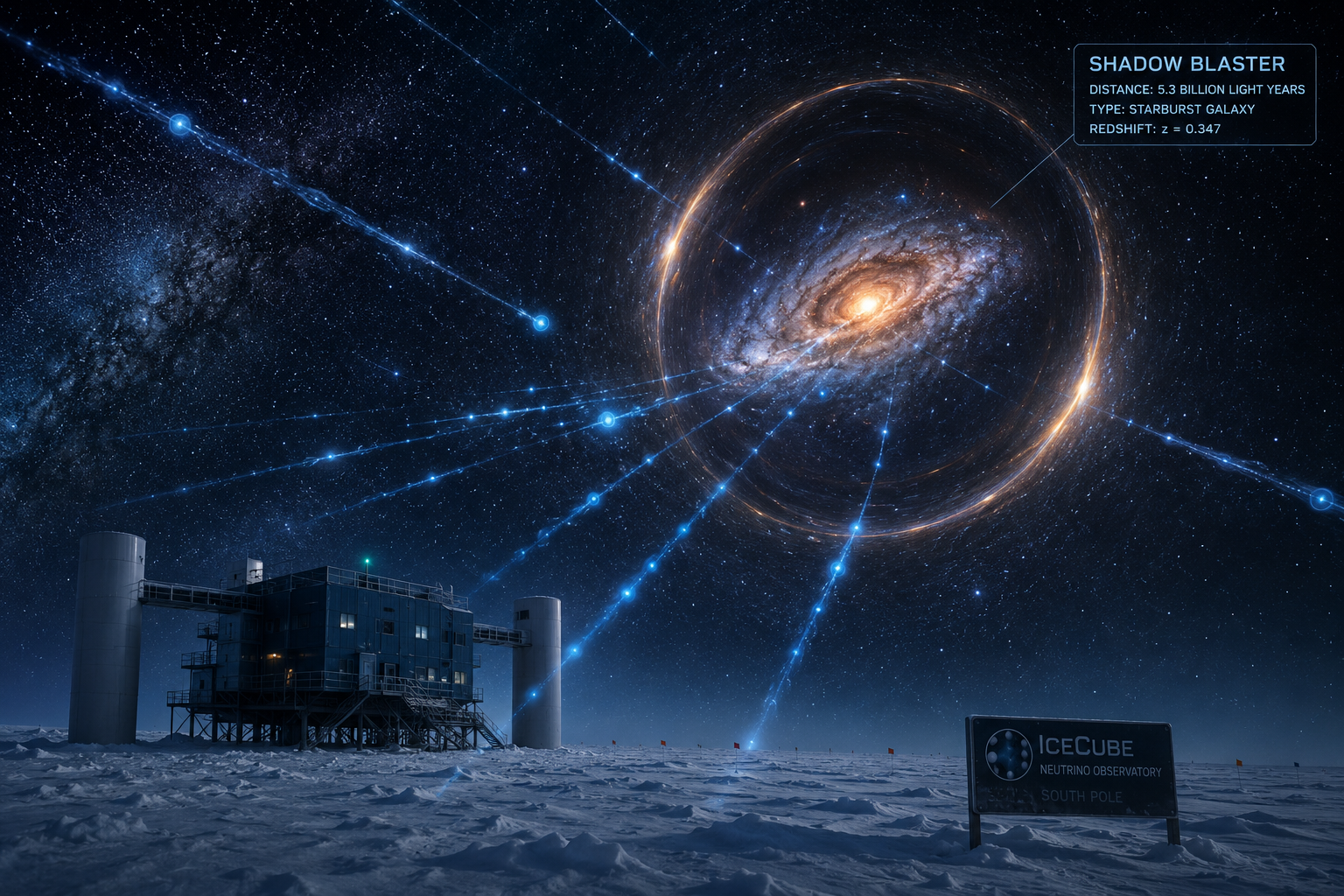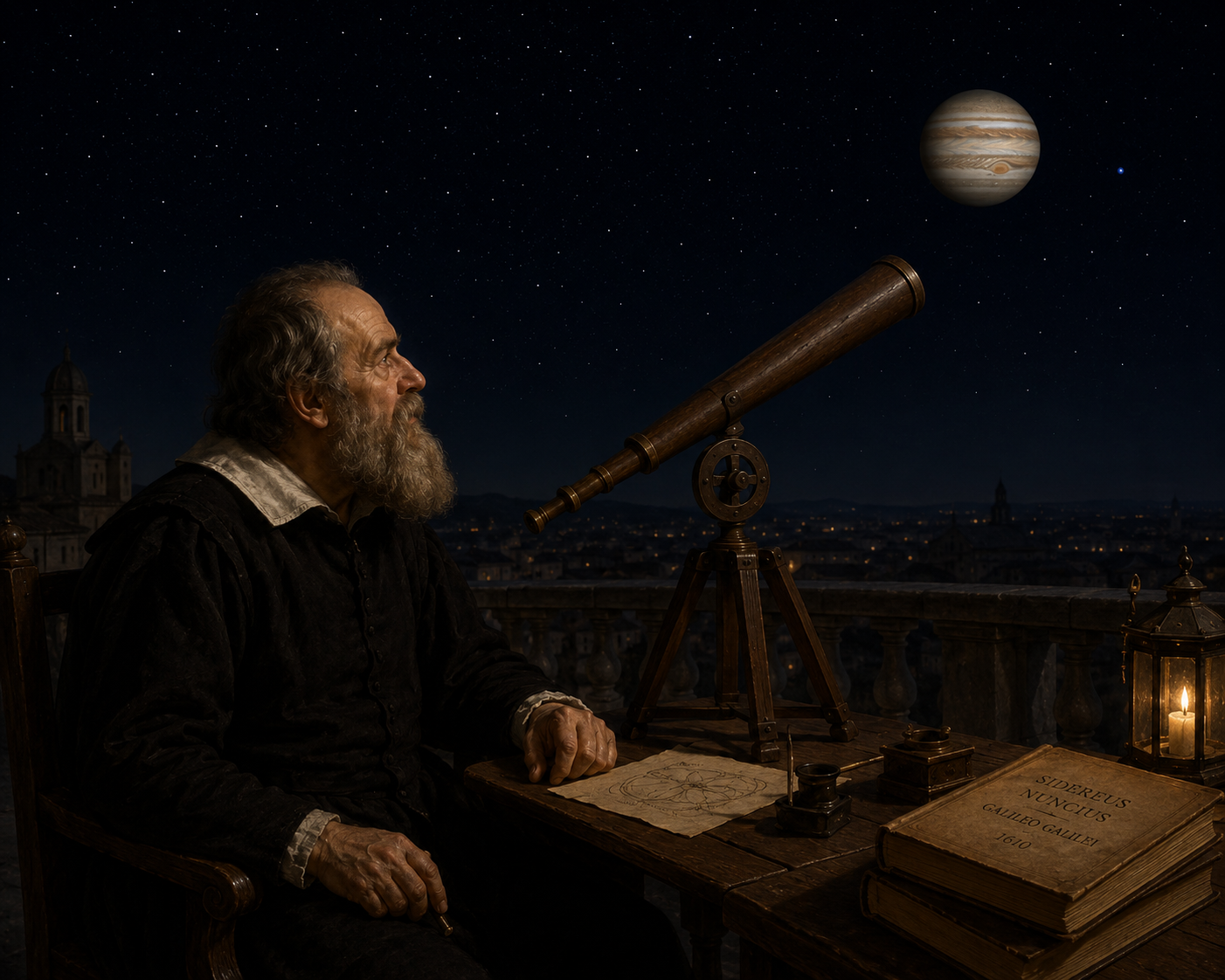
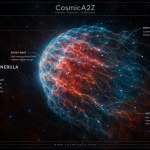
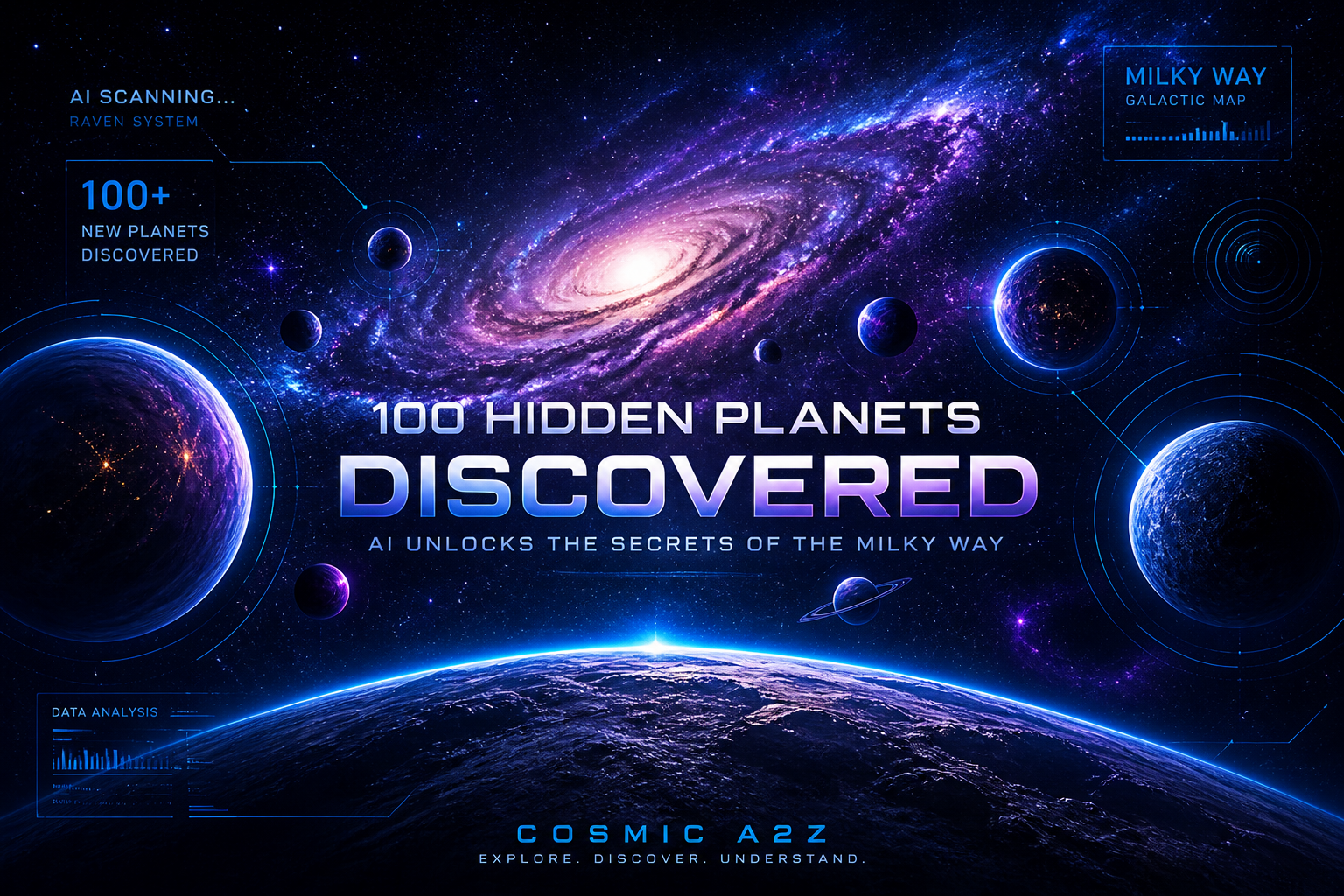
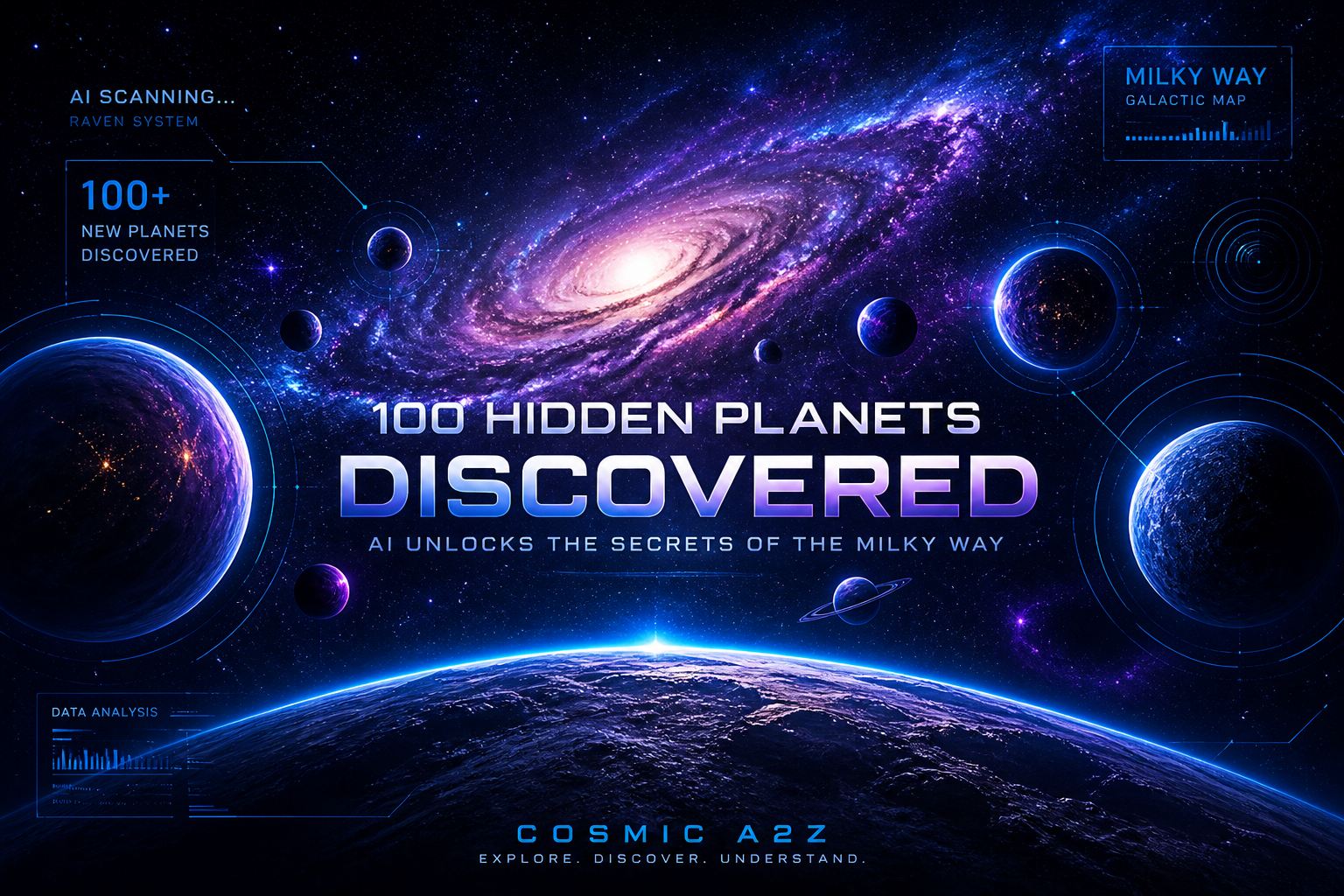
AI discovering hidden exoplanets in the Milky Way using NASA TESS and RAVEN system
AI Discovers 100 Hidden Planets in the Milky Way (Cosmic Update 2026)
Introduction
Cosmic Update – May 3, 2026
Astronomers have expanded our understanding of the universe in a major breakthrough. Using a powerful artificial intelligence system known as RAVEN, scientists have uncovered more than 100 hidden planets in data collected by NASA’s Transiting Exoplanet Survey Satellite (TESS).
These newly discovered worlds orbit stars scattered across the Milky Way galaxy, including regions like Cygnus and Lyra, revealing just how diverse planetary systems can be.
This discovery not only reshapes our cosmic map but also connects directly to what we can observe in the night sky—such as Venus and Jupiter shining together after sunset, reminding us that space exploration is both distant and visible.
The Breakthrough: AI Meets Astronomy
NASA’s TESS mission has been scanning the sky since 2018, searching for tiny dips in starlight caused by planets passing in front of their stars.
While TESS has already detected thousands of planetary candidates, the dataset is extremely large and complex.
This is where RAVEN, a machine learning-based AI system, changed everything.
By re-analyzing TESS observations, RAVEN detected extremely faint signals that traditional methods missed. These signals revealed over 100 previously unknown exoplanets, many located thousands of light-years away.
This marks a major shift in astronomy: Artificial intelligence is no longer just assisting discovery—it is becoming a core discovery engine.
What Makes These Planets Special
The newly discovered planets are not all the same. Some of them show extreme and fascinating characteristics:
Extreme Orbits: Some complete one orbit in just a few days, facing extreme heat from their stars.
Rare Planet Types: Several belong to the “sub-Neptune” category—larger than Earth but smaller than Neptune, a type missing in our Solar System.
Potential Habitability: A few planets lie in the “habitable zone,” where conditions may allow liquid water to exist.
Each discovery adds a new piece to the puzzle of how planetary systems form and evolve across the galaxy.
Distances That Defy Imagination
These new worlds are located at incredible distances:
A planet in the Cygnus constellation is about 2,000 light-years away
Another in Lyra lies nearly 1,500 light-years away
To understand this scale, consider that light travels at 300,000 kilometers per second, yet still takes thousands of years to reach Earth from these systems.
The Milky Way itself spans over 100,000 light-years, making these discoveries just a small glimpse into a vast cosmic ocean.
Future of AI in Astronomy
AI systems like RAVEN are not replacing astronomers—they are empowering them.
Instead of manually analyzing massive datasets, scientists can now rely on AI to:
Filter noise from space data
Identify potential planet signals
Highlight high-probability discoveries
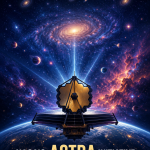
Future missions like James Webb Space Telescope (JWST) and PLATO will generate even larger datasets, making AI essential for future exploration.
This collaboration between human intelligence and artificial intelligence is shaping the next era of astronomy.
Tonight’s Sky: Venus and Jupiter
While distant planets expand our understanding of the universe, the night sky offers something closer.
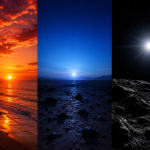
Venus and Jupiter are currently visible in the western sky after sunset. Over the coming weeks, they will appear even closer, forming a rare and beautiful conjunction.
This reminds us that the universe is not only far away—it is also right above us, visible to anyone who looks up.
Why This Discovery Matters
This breakthrough has major implications:
Scientific Impact: Expands our catalog of known exoplanets
Technological Impact: Shows the power of AI in scientific discovery
Human Impact: Inspires curiosity about life beyond Earth
Every new planet discovered brings us closer to understanding whether we are alone in the universe.
Conclusion
The May 3, 2026 Cosmic Update highlights a new era of discovery. With AI uncovering hidden planets and bright celestial events visible in our night sky, humanity is experiencing a golden age of space exploration.
The universe is far larger—and far more mysterious—than we once imagined.
Follow Cosmic A2Z for more space discoveries, cosmic updates, and universe exploration.