
Introduction
Light is the fastest traveler known to us, moving at nearly 300,000 kilometers per second. Yet, when measured against the vastness of Allah’s creation, even this speed reveals how immense the cosmos truly is. By exploring how long light takes to reach each planet in our solar system, neighboring stars, the Milky Way, and galaxies beyond, we gain perspective on both science and our place in creation. The Qur’an encourages reflection on the heavens and the earth as signs for those who think — studying light’s journey is one way to appreciate that vastness.
The Solar System: Planet by Planet
Mercury
Mercury, the closest planet to the Sun, lies about 77 million kilometers from Earth at its farthest. Light takes roughly 4 minutes to travel this distance. Because Mercury is so near the Sun, astronomers often use its orbit to test theories of relativity. The small delay in light travel reminds us that even “nearby” planets are separated by immense distances.
Venus
Venus, often called Earth’s sister planet, can be as close as 41 million kilometers. Light takes about 2.3 minutes to reach it. Venus is bright in our sky, but its thick atmosphere makes exploration difficult. The light travel time illustrates why radar mapping and probes must account for communication delays.
Earth & Moon
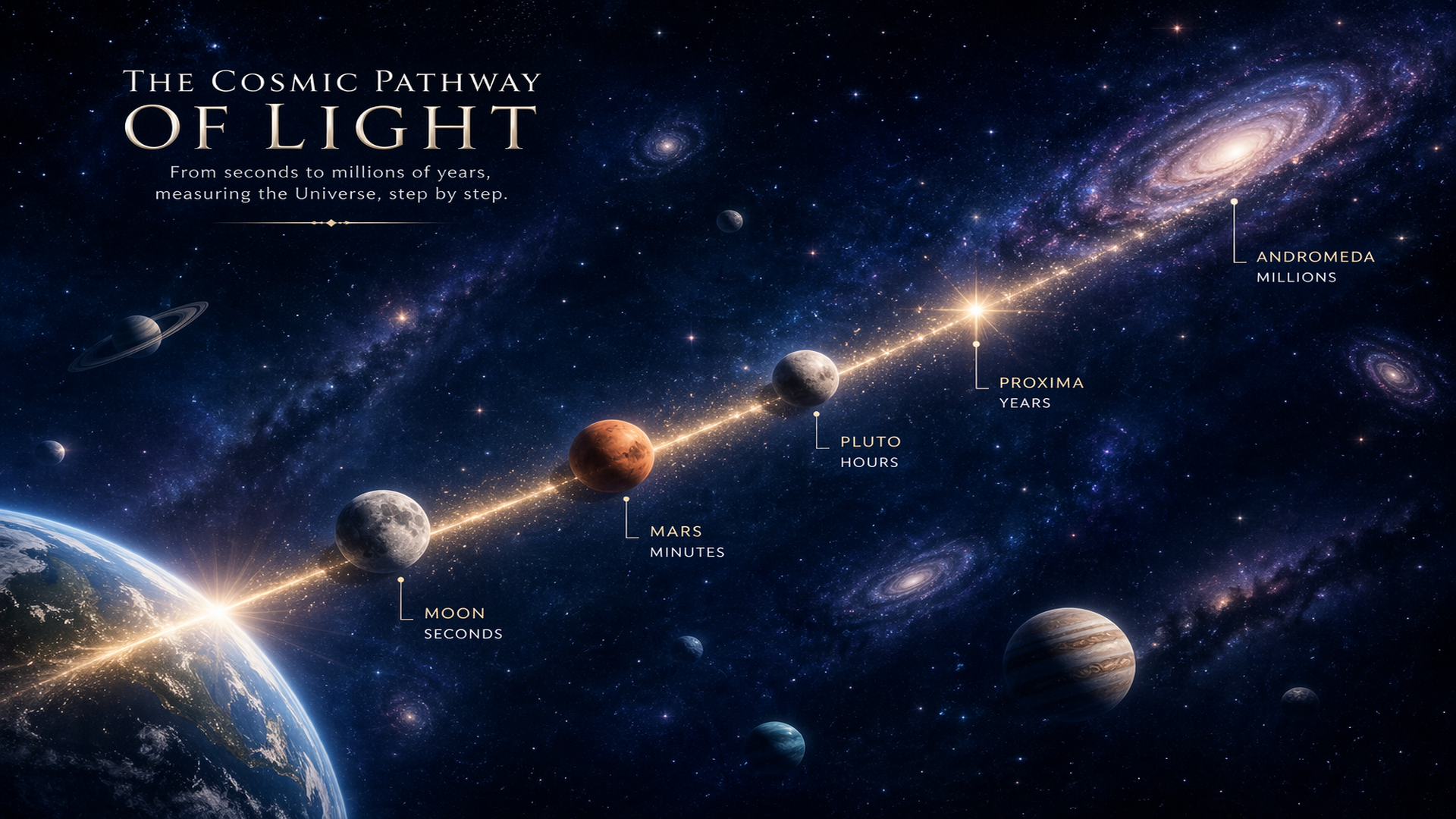
On Earth, light circles the globe in just 0.13 seconds. The Moon, our nearest neighbor at 384,400 km, is only 1.28 seconds away in light terms. This short delay allowed Apollo astronauts to communicate almost instantly with mission control, showing how manageable near-Earth exploration can be.
Mars
Mars averages 225 million kilometers from Earth. Light takes about 12 minutes to arrive. This delay is critical for rover missions like Perseverance. Commands sent from Earth must be autonomous because waiting for a response would slow exploration. Human missions will face the same challenge.
Jupiter
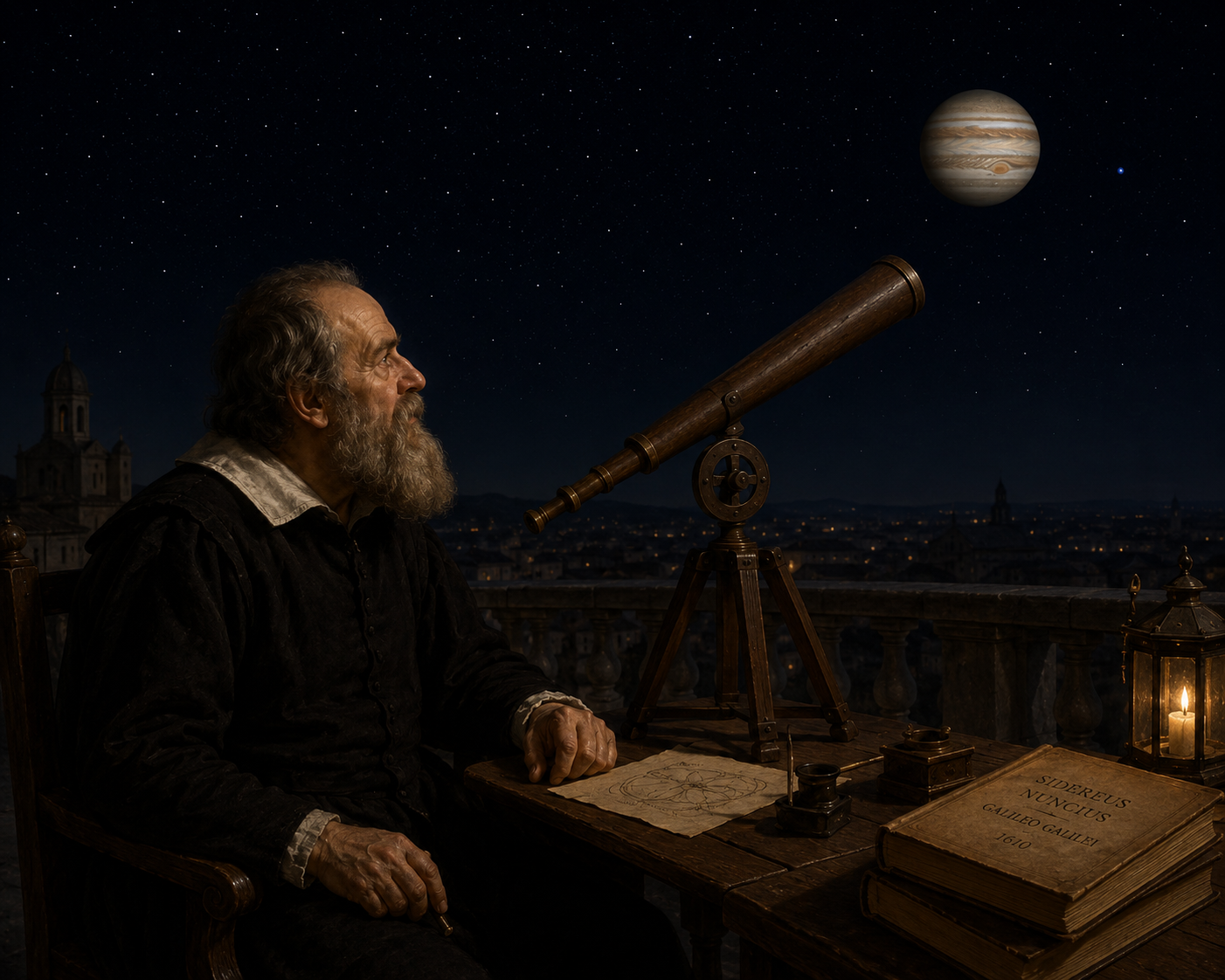
Jupiter, the giant planet, is about 778 million kilometers away. Light takes 43 minutes to reach it. Its moons, like Europa and Ganymede, are prime targets for exploration. The long communication delay means probes must operate semi-independently.
Saturn
Saturn, famous for its rings, lies 1.4 billion kilometers away. Light takes 79 minutes to travel this distance. Missions like Cassini had to plan carefully, knowing that every signal would take over an hour to arrive.
Uranus
Uranus, tilted dramatically on its axis, is 2.9 billion kilometers away. Light takes 2.7 hours to reach it. Because of this distance, Uranus has been visited only once, by Voyager 2 in 1986. Future missions will need to rely heavily on autonomy.
Neptune
Neptune, the farthest major planet, is 4.5 billion kilometers away. Light takes 4.2 hours to arrive. Its winds and storms are among the fastest in the solar system, but studying them requires patience due to the communication lag.
Pluto
Pluto, now classified as a dwarf planet, lies 5.9 billion kilometers away. Light takes 5.5 hours to reach it. The New Horizons mission in 2015 demonstrated the challenge: every image and signal took hours to return, requiring extreme precision in planning.
Neighboring Stars
Proxima Centauri
The nearest star beyond the Sun, Proxima Centauri, is 4.2 light-years away. Even light takes over four years to reach us. Its planet, Proxima Centauri b, lies in the habitable zone, sparking interest in whether life could exist there. Yet, current spacecraft would take tens of thousands of years to arrive.
Alpha Centauri System
The Alpha Centauri system, a triple star group, is about 4.3 light-years away. It includes Alpha Centauri A and B, plus Proxima. This system is often imagined as humanity’s first interstellar destination, but the distances remain daunting.
Sirius
Sirius, the brightest star in our night sky, is 8.6 light-years away. Its brilliance has made it culturally significant across civilizations. Yet, even at this “short” distance, light we see today left Sirius nearly a decade ago.
The Milky Way Galaxy
Galactic Center
The center of the Milky Way, home to the supermassive black hole Sagittarius A*, is about 26,000 light-years away. Light we see today left when humans were building early civilizations. Studying this region helps astronomers understand black holes and galactic evolution.
Galactic Diameter
The Milky Way spans about 100,000 light-years. Even light would take 100,000 years to cross from one side to the other. This scale emphasizes how vast our galaxy is compared to human lifespans.
Beyond the Galaxy
Andromeda Galaxy
Our nearest large galactic neighbor, Andromeda, is 2.5 million light-years away. Light from Andromeda began its journey long before humans existed. In about 4 billion years, Andromeda and the Milky Way will collide, forming a new galaxy.
Edge of the Observable Universe
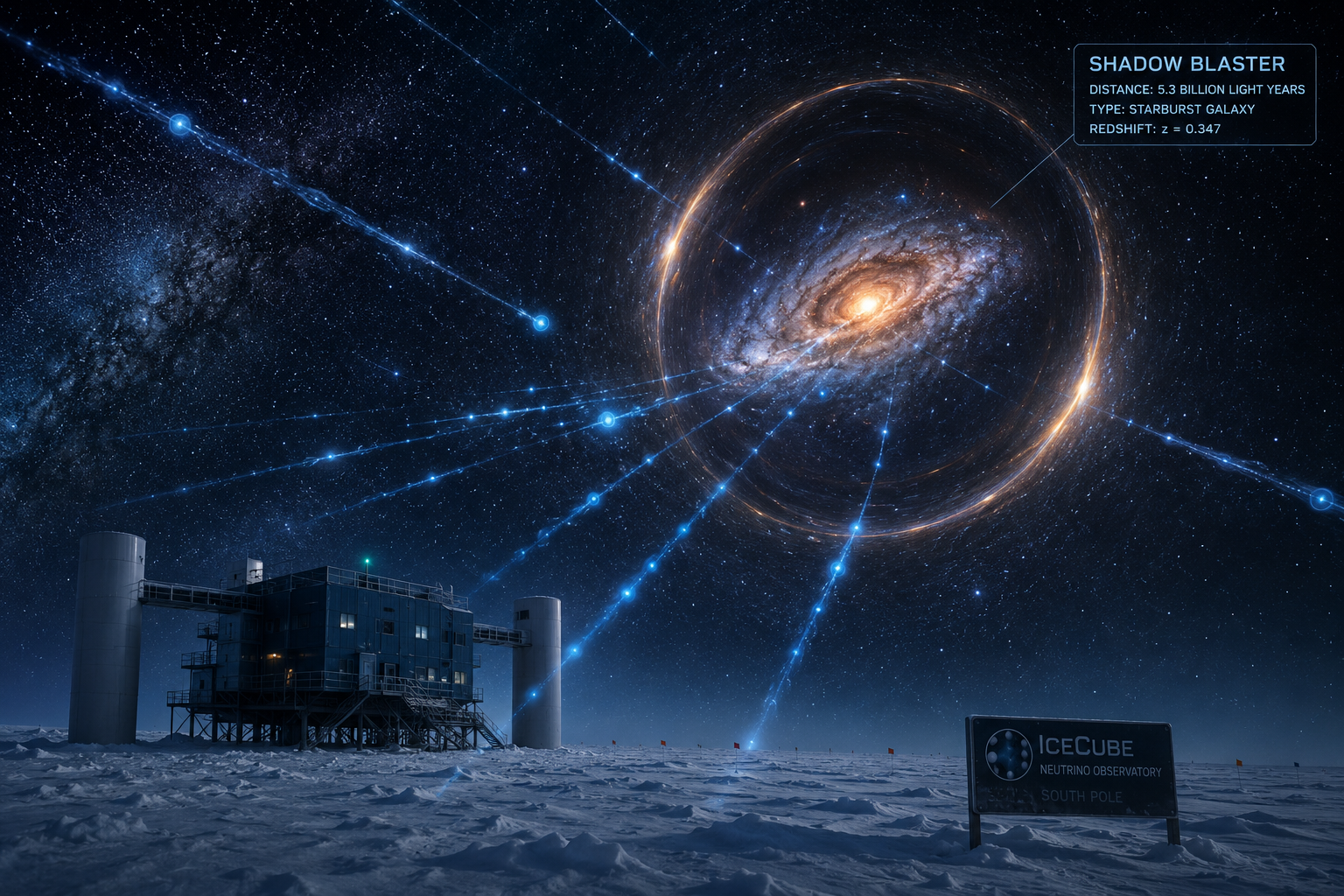
The observable universe stretches about 46 billion light-years in every direction. Light from these galaxies has traveled since the earliest moments after creation. Studying this light reveals the universe’s expansion and the cosmic microwave background.
Scientific Implications
Astronomy: Light travel times allow astronomers to look back in time, observing stars and galaxies as they were millions or billions of years ago.
Cosmology: The finite speed of light defines the observable universe, shaping theories about its origin and evolution.
Technology: Communication delays affect space missions, requiring autonomous systems for distant probes.
Human Scale: Comparing seconds to billions of years helps us grasp the immensity of creation.
Human Reflection
From seconds to billions of years, these travel times remind us of the vastness of Allah’s creation. The Qur’an itself encourages reflection on the heavens and the earth as signs for those who think. By studying cosmic distances, we are not worshipping the stars, but appreciating the scale and wisdom of the Creator.
This perspective is halal-safe: it avoids myths or sinful exaggerations, and instead focuses on science, awe, and humility. The immensity of light’s journey inspires both curiosity and humility, reminding us of our smallness yet also our ability to explore.
Sources
NASA – Planetary Distances and Light Travel Times
ESA – Cosmic Distance Ladder
Scientific American – Light Travel and Astronomy
Conclusion
Light, though the fastest traveler, reveals the immensity of the cosmos. From the Moon’s 1.28 seconds to the edge of the universe’s 46 billion years, these distances inspire awe and remind us of our smallness. Yet, they also encourage curiosity, exploration, and reflection on the greatness of creation.