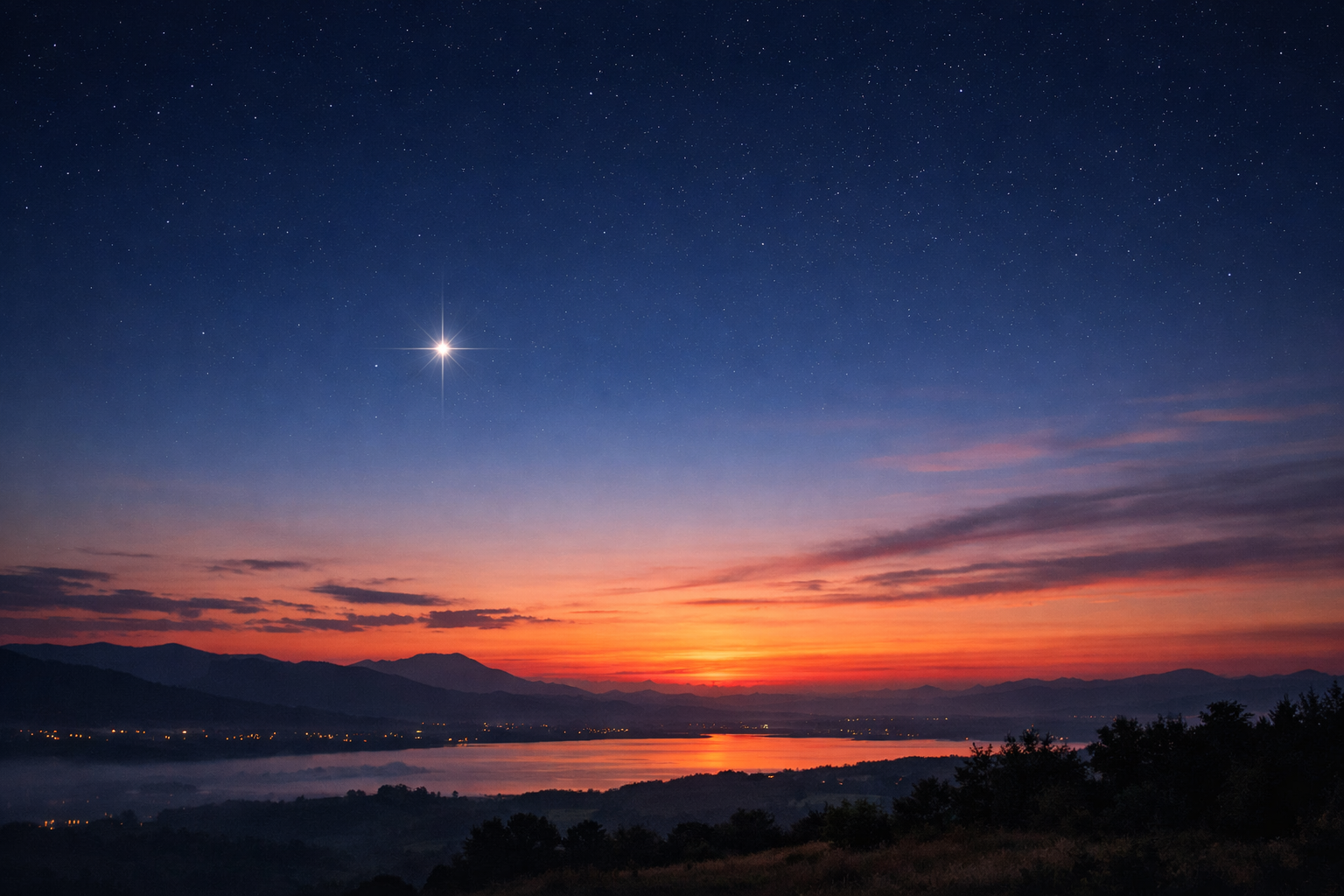
Introduction Step outside at twilight, and before most stars appear, one brilliant light already shines in the western sky. This dazzling beacon is Venus, often called the Evening Star or Morning Star. For thousands of years, Venus has fascinated humanity — inspiring myths, guiding calendars, and reminding us of our place in the cosmos. Unlike distant galaxies or faint stars, Venus is accessible to everyone with the naked eye, making it the perfect starting point for cosmic exploration. Venus is not only a planet but also a symbol of wonder. Its brilliance has led people across cultures to see it as more than a celestial body — a guide, a muse, and sometimes even a warning. Today, it remains the easiest planet to spot, offering a gateway into astronomy for beginners and a reminder of cosmic beauty for seasoned skywatchers.
Science of Venus
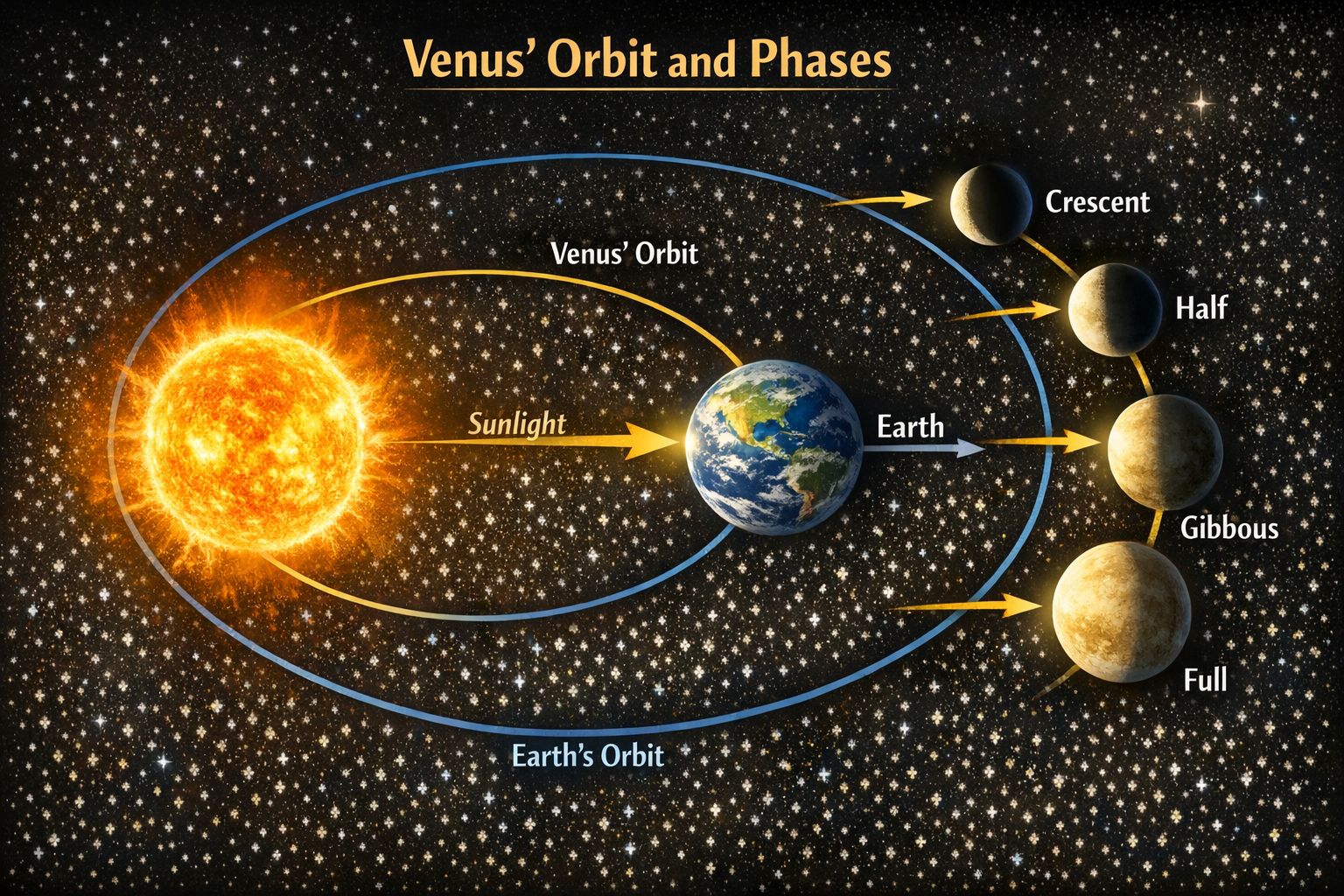
Venus is sometimes described as Earth’s “sister planet.” Both worlds are similar in size and rocky composition, but their destinies diverged dramatically. Venus’s atmosphere is a dense blanket of carbon dioxide, trapping heat and driving surface temperatures above 460°C — hotter than Mercury, even though Mercury is closer to the Sun.
The brilliance of Venus comes from its thick cloud cover, which reflects sunlight with extraordinary efficiency. Astronomers call this reflectivity albedo, and Venus’s albedo is higher than any other planet. As a result, Venus can reach an apparent magnitude of –4.7, outshining every star in the night sky.
Like the Moon, Venus shows phases — crescent, half, gibbous — visible through telescopes but hinted at in its changing brightness. Because Venus orbits closer to the Sun than Earth, it never strays far from sunrise or sunset. This is why it alternates between being the Morning Star and the Evening Star.
Analysis: NASA’s planetary data confirms Venus’s brightness and extreme climate. Studying Venus helps scientists understand atmospheric dynamics, including greenhouse effects, which are crucial for understanding Earth’s future.
Watch Venus (Short Video)
Spotting Venus
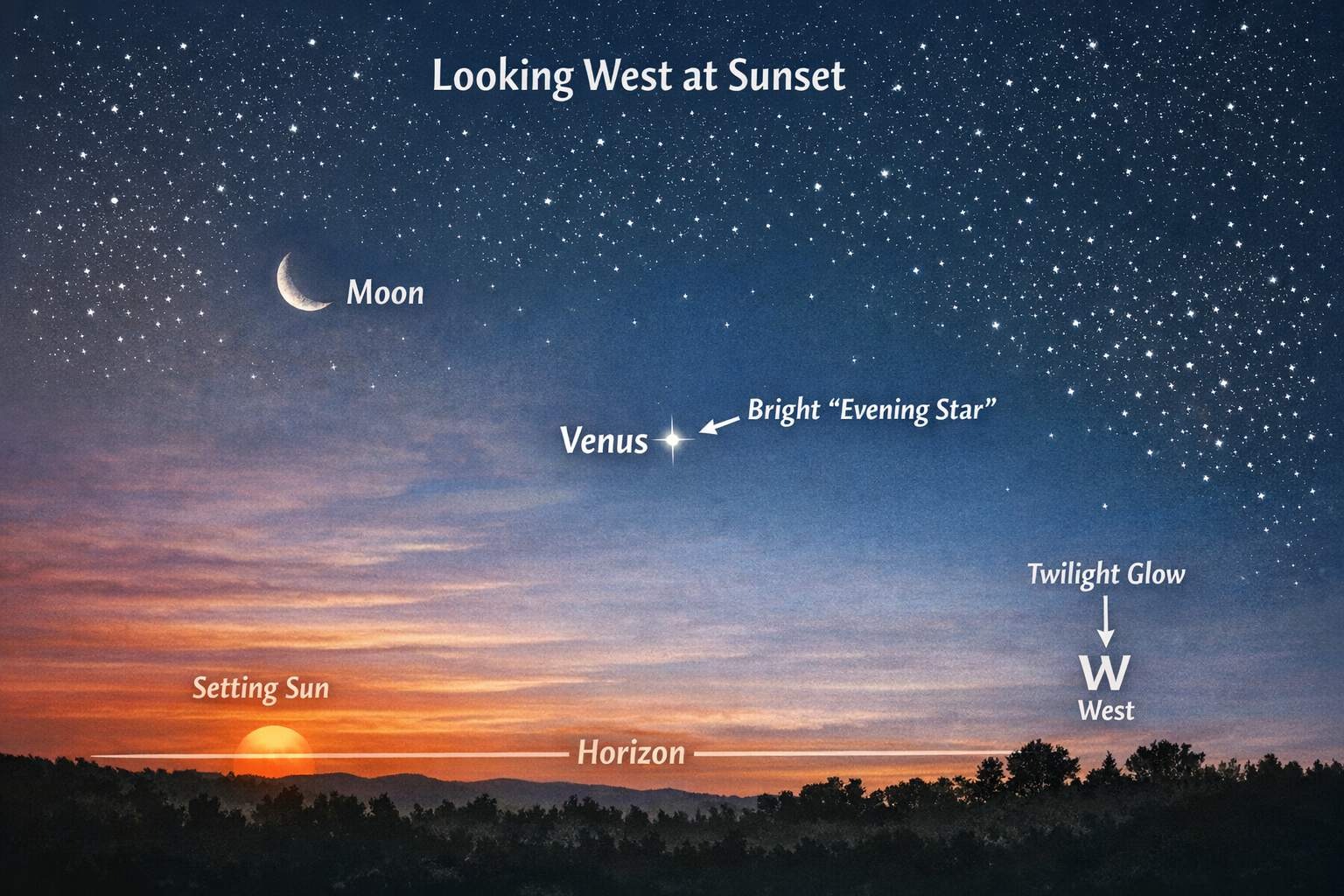
Finding Venus is simple, even for beginners.
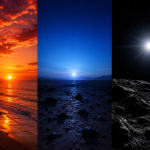
Evening Star: Look west after sunset. Venus will appear as the first “star” in the fading twilight.
Morning Star: Look east before dawn. Venus rises ahead of the Sun, glowing brightly.
Greatest Elongation: The best times to see Venus are when it is farthest from the Sun in our sky, appearing high above the horizon.
Tips: Choose a clear horizon, watch for steady light (planets don’t twinkle like stars), and track its slow nightly movement.
Venus is so bright that even in urban areas with light pollution, it remains visible. For SEO and accessibility, phrases like “how to spot Venus tonight” and “bright evening star Venus” are highly searched, making this section valuable for readers who want practical guidance.
Cultural Legends
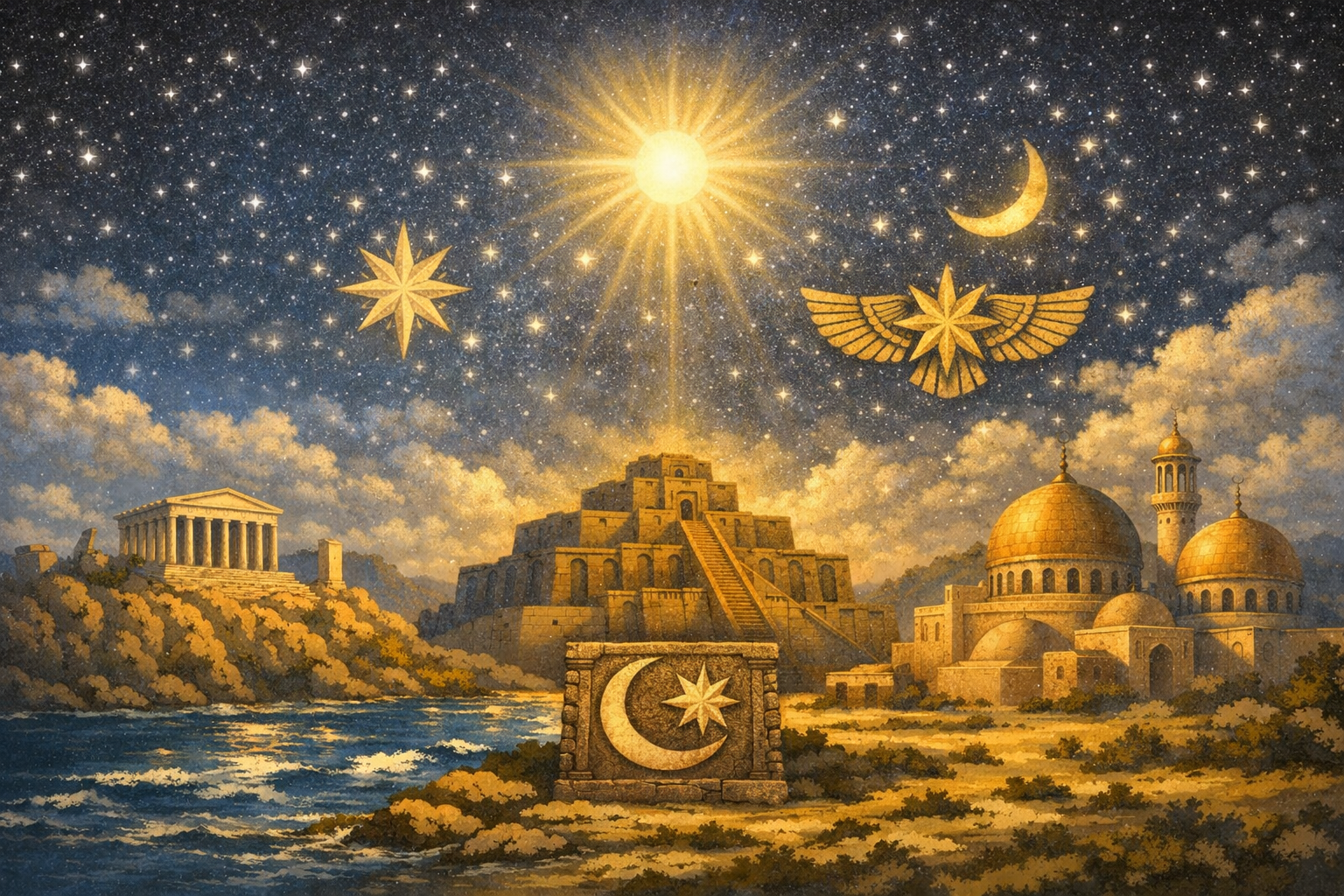
Venus has been a cosmic muse across civilizations. These are historical records and cultural stories, not religious endorsements, but they show how deeply humanity has connected with this bright planet:
Greeks & Romans: Associated Venus with Aphrodite, goddess of love and beauty.
Babylonians: Saw Venus as Ishtar, a powerful figure of war and fertility.
Maya Civilization: Used Venus’s cycles to guide rituals and predict omens.
Ancient Texts: Often described Venus as the “morning star,” symbolizing renewal and hope.
Babylonian tablets record Venus’s cycles as central to ancient astronomy. The Maya tracked Venus’s appearances with remarkable precision, linking them to warfare and ritual timing. These stories show how Venus was more than a planet — it was a cultural beacon shaping myth and meaning.
Analysis: By studying these records, historians and astronomers gain insight into how ancient societies blended science and spirituality. Venus was not only observed but woven into calendars, rituals, and art, showing the universal human drive to connect the heavens with life on Earth.
Cosmic Connection
Venus embodies duality: the same planet is both the Morning Star and the Evening Star. This dual identity mirrors human fascination with beginnings and endings, light and darkness.
Scientifically, Venus reminds us of Earth’s fragility. Its runaway greenhouse effect transformed it into a furnace, offering a cautionary tale about planetary balance. Climate scientists study Venus to understand how greenhouse gases affect Earth, making it not just a cosmic wonder but also a scientific lesson.
Venus’s brilliance also connects us emotionally to the cosmos. It is a reminder that even without telescopes or advanced equipment, the universe offers beauty that anyone can witness. This accessibility makes Venus a symbol of shared wonder across cultures and generations.
Practical Skywatching Tips
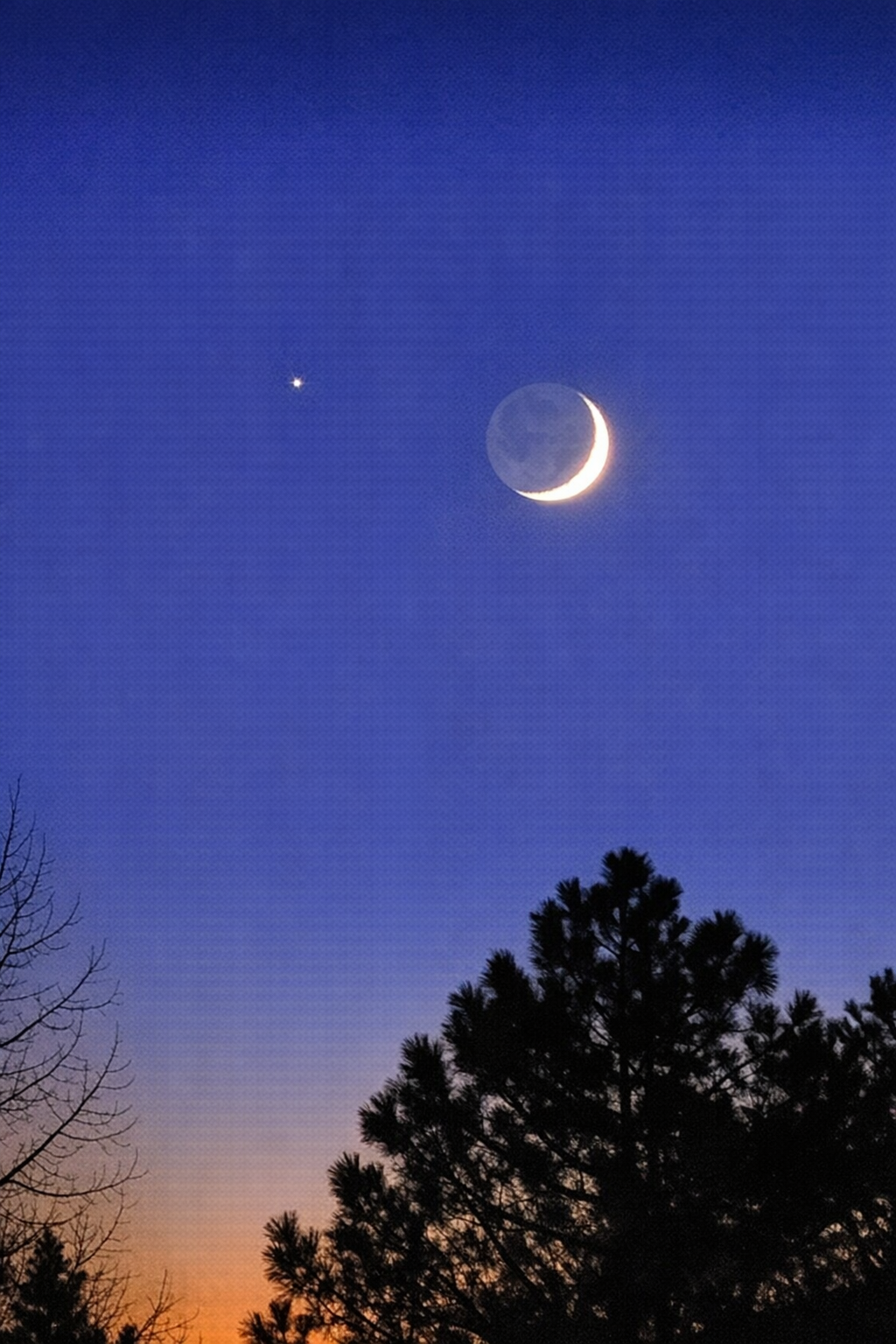
Apps: Use free tools like Stellarium or SkySafari to confirm Venus’s position.
Photography: Even a smartphone can capture Venus as a glowing dot above the horizon.
Conjunctions: Watch for Venus near the Moon — these pairings create stunning sky scenes.
Community: Encourage readers to share sightings, building engagement and cosmic wonder.
Skywatching Venus can be a family activity, a classroom project, or a personal moment of reflection. Its visibility makes it ideal for introducing children to astronomy, while its cultural depth offers rich material for educators and storytellers.
Closing Reflection
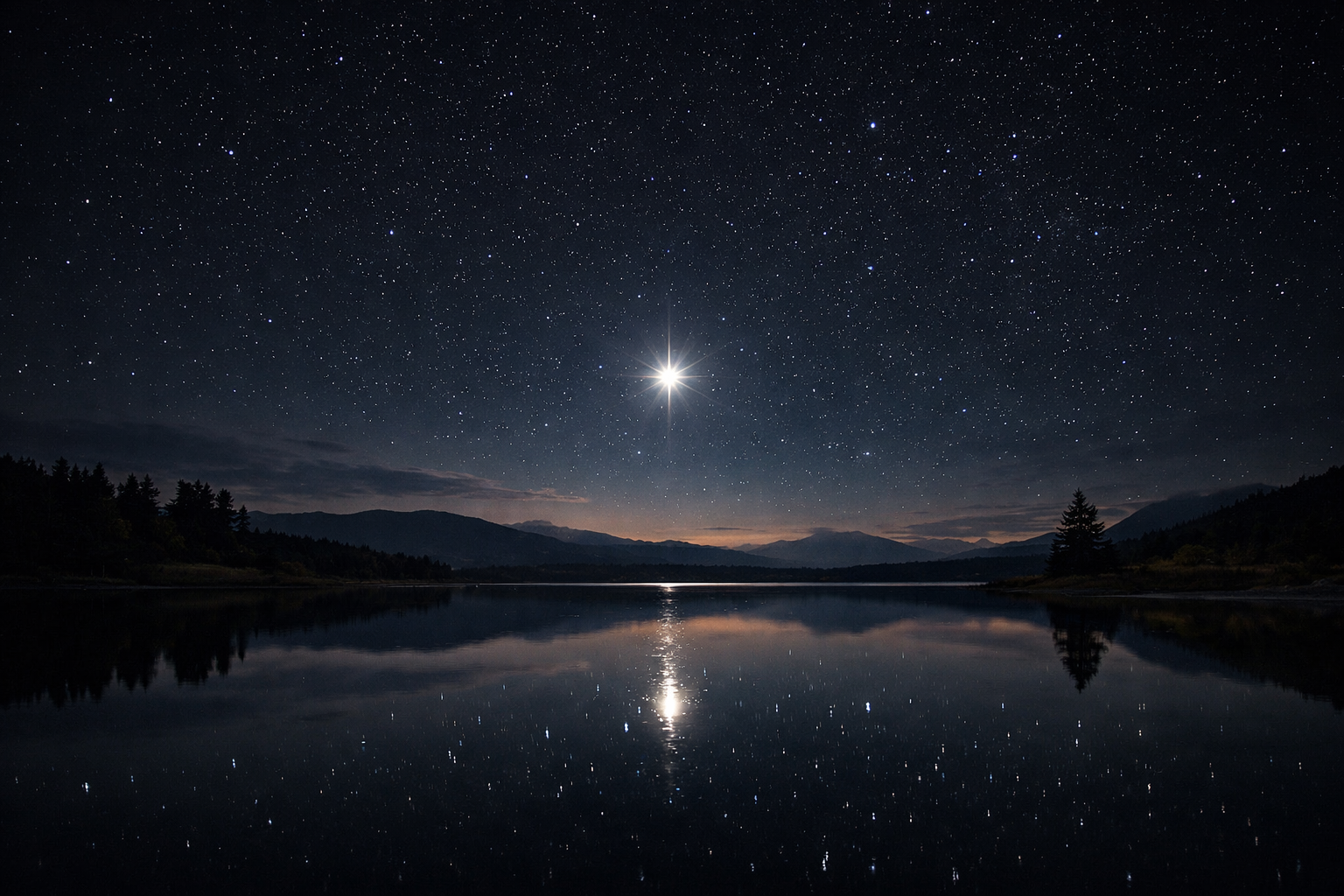
Venus is more than a planet. It is a cosmic beacon, a cultural muse, and a scientific lesson. Whether you see it tonight as the Evening Star or tomorrow as the Morning Star, Venus reminds us that wonder is always within reach — no telescope required.
By blending science, culture, and practical guidance, Venus becomes not just an object in the sky but a bridge between humanity and the cosmos. Its brilliance is a reminder that the universe is alive with stories, lessons, and beauty waiting to be seen.