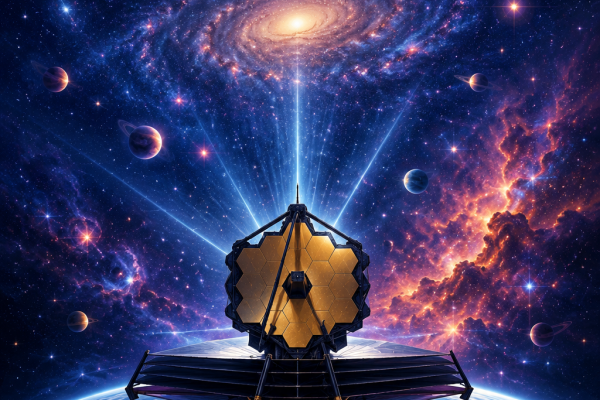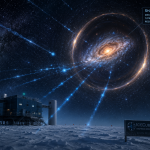
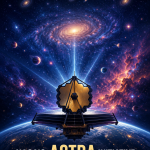
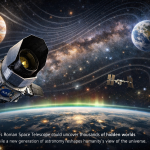

Concept illustration of NASA's ASTRA Initiative showing a next-generation space telescope above Earth, exploring distant galaxies, colorful nebulae, and future cosmic discoveries.

NASA’s ASTRA Initiative: The Roadmap to the Next Great Space Telescopes

NASA’s ASTRA Initiative is helping prepare the technologies and mission concepts that could power the next generation of space observatories. On June 10, 2026, NASA’s Cosmic Origins Community Webinar introduced a major new effort that could shape the future of astronomy for decades: the ASTRA Initiative, short for Astrophysics Strategic Technology & Research Accelerator. At…

Read Full News
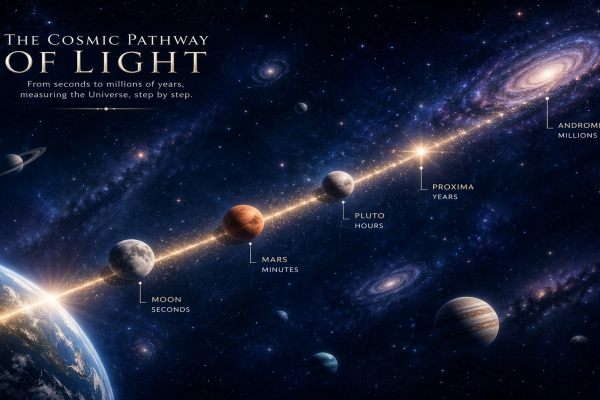
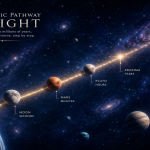
Light travel time across the solar system, Proxima Centauri, Milky Way and Andromeda galaxy showing cosmic distance scale

Light Travel Time: From Solar Planets to Proxima Centauri and Andromeda Galaxy

Light Travel Time Across the Cosmos Light travel times across the solar system, stars, and galaxies — illustrating the vast scale of the universe. Introduction Light is the fastest traveler known to us, moving at nearly 300,000 kilometers per second. Yet, when measured against the vastness of Allah’s creation, even this speed reveals how immense…

Read Full News
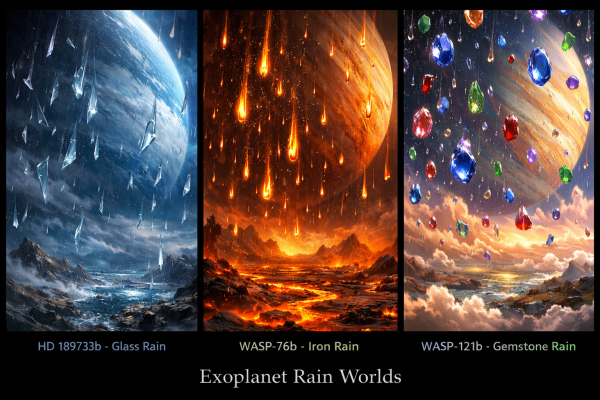
Artistic rendering of exoplanet rains: HD 189733b with glass rain, WASP-76b with molten iron rain, and WASP-121b with gemstone rain in a cosmic landscape triptych.

Ruby Rains and Diamond Storms: The Strangest Weather in the Universe

Cosmic Rain Across the Universe Rain is one of the most intimate experiences we share with our planet. On Earth, it nourishes forests, feeds rivers, and shapes civilizations. But beyond our world, rain becomes something far stranger—violent, beautiful, and terrifying. Across the cosmos, clouds condense not only water but molten glass, sulfuric acid, methane, gemstones,…

Read Full News

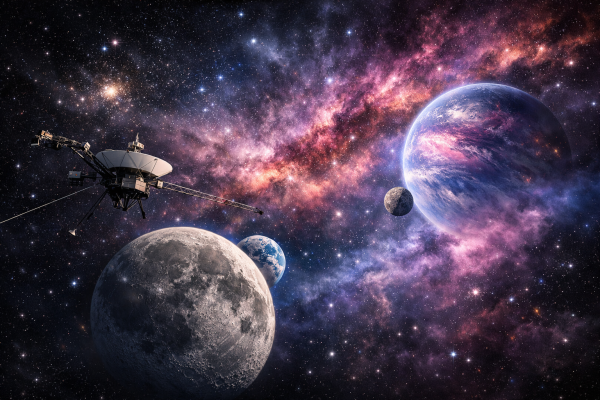
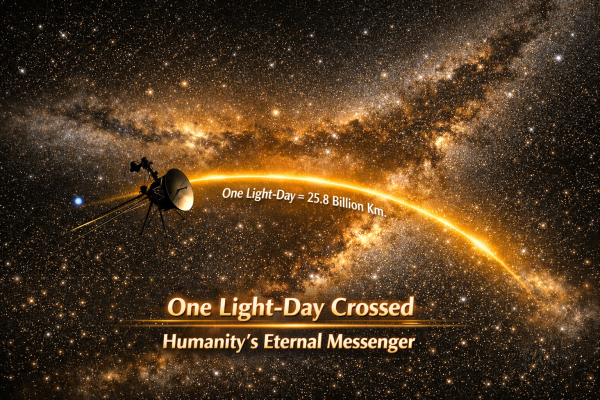
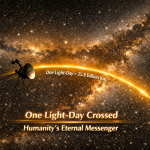
Voyager 1 Crosses One Light-Day — 70,000 Years to the Nearest Star, Billions to Andromeda

Voyager 1 Crosses One Light-Day — Humanity’s Eternal Messenger Into the Stars Artist’s impression of Voyager 1 traveling through interstellar space after reaching one light-day distance from Earth. Introduction In April 2026, humanity quietly reached a milestone that will echo for centuries: Voyager 1, the farthest spacecraft ever launched, crossed the distance of one light-day…

Read Full News

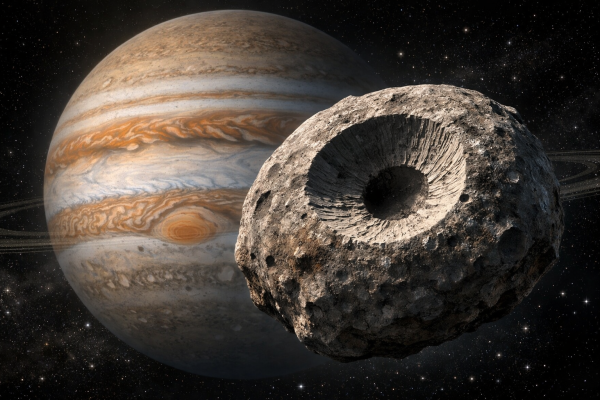
NASA’s Death Star Moon Discovery and Rare Lunar Occultation Explained

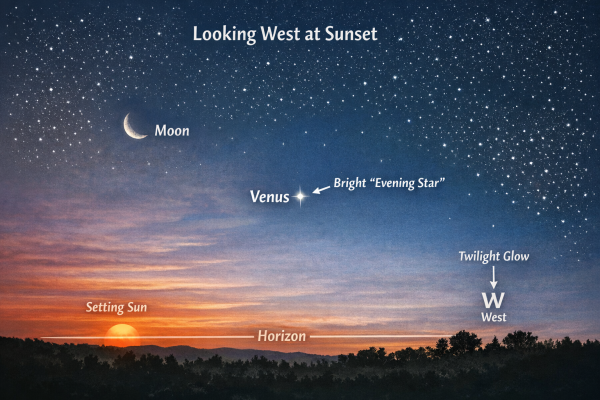
Cosmic Update – May 23, 2026: Two extraordinary cosmic stories are unfolding at once. NASA’s Juno spacecraft has revealed Jupiter’s moon Thebe in unprecedented detail, exposing a colossal crater that makes it look uncannily like the Death Star from Star Wars. And tonight, Earth’s own Moon will perform a rare celestial trick — a lunar…

Read Full News